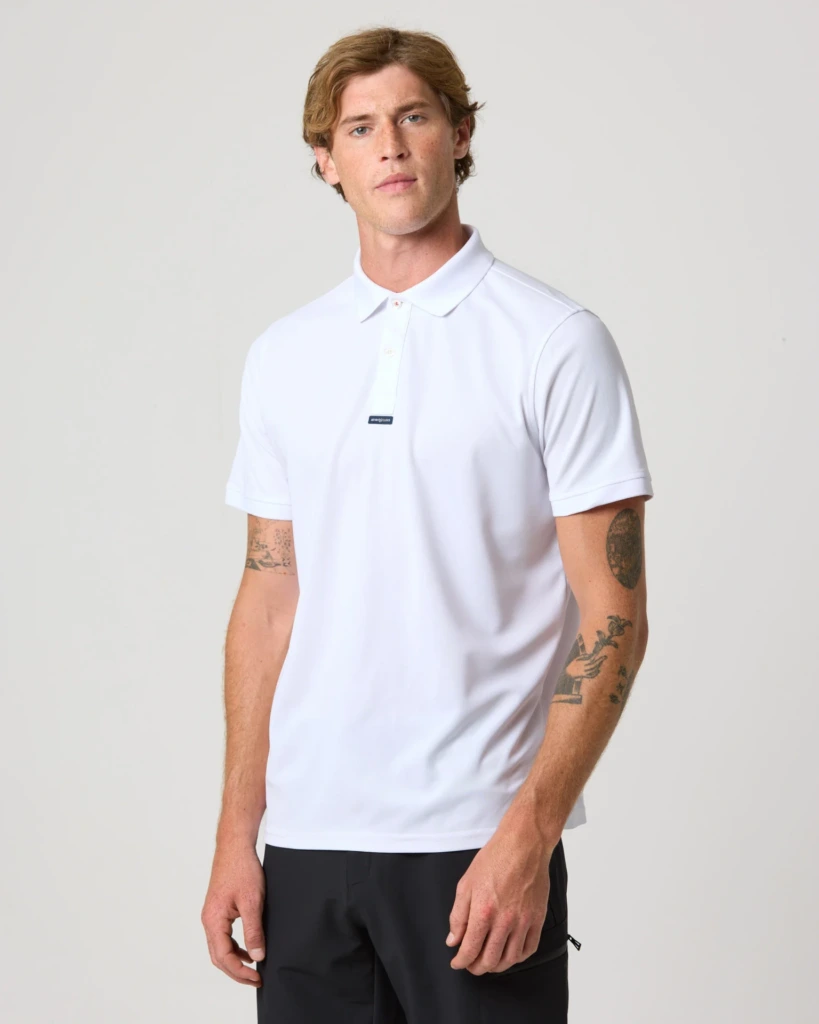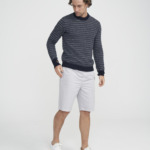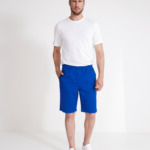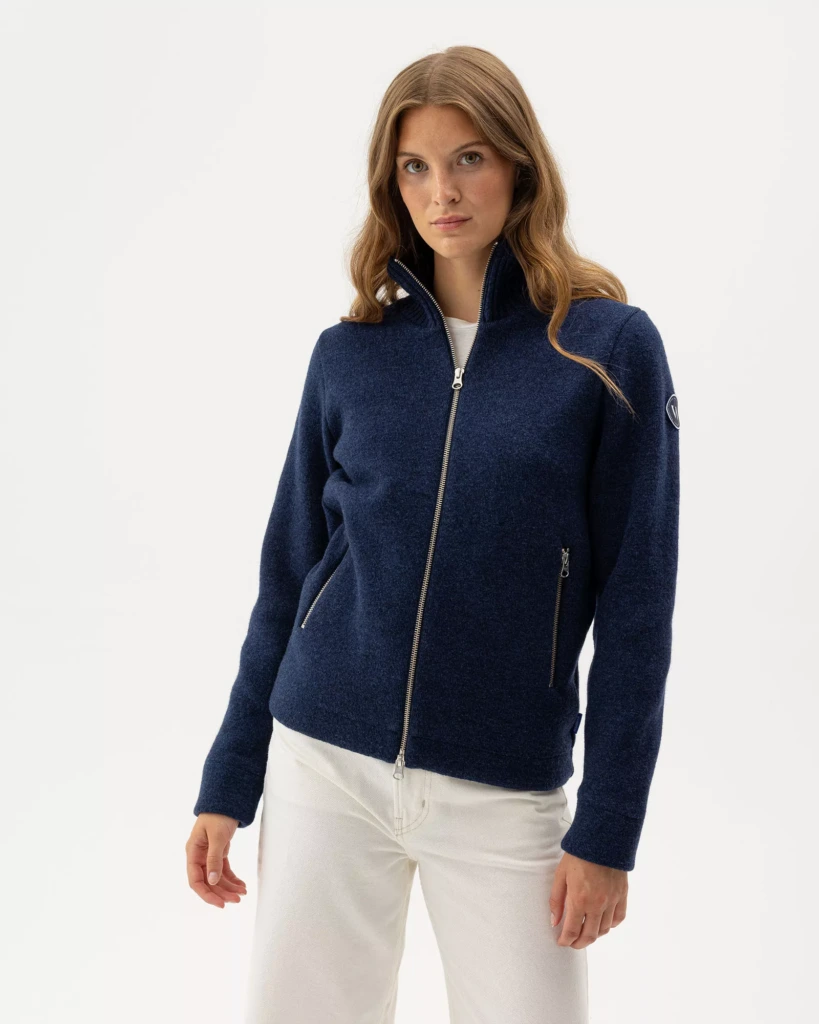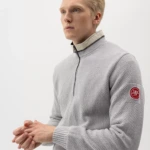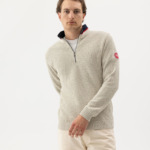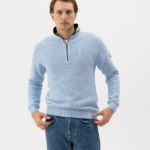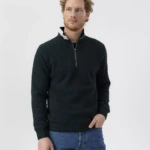
Some styles never fade; they just get more comfortable with time. Nautical style has long since moved beyond the exclusive domain of sailors. It’s a perfect blend of practicality and elegance that works just as well in the office as it does on city streets. Here is how to inject a bit of maritime freshness into your daily rotation without looking like you’re wearing a costume.
Before we dive into styling, it’s worth remembering that this look is deeply rooted in naval history. Many items we take for granted today started as functional gear in the 19th century. For example, the iconic striped shirt was adopted as the official uniform of the French Navy in 1858. The original design featured exactly 21 stripes, which legend claims represented Napoleon’s victories—though historians generally dismiss this as a myth.
However, it was Queen Victoria who brought the look to the mainstream in 1846 when she commissioned a sailor suit for her four-year-old son, sparking a maritime craze across society. Later, in the 1920s, Coco Chanel revolutionized fashion by introducing striped shirts and wide-legged trousers to women’s wear, cementing them as symbols of elegance and liberation.
You don’t need a captain’s hat to add a touch of the sea to your outfit. You just need to stick to three principles that have stood the test of time.
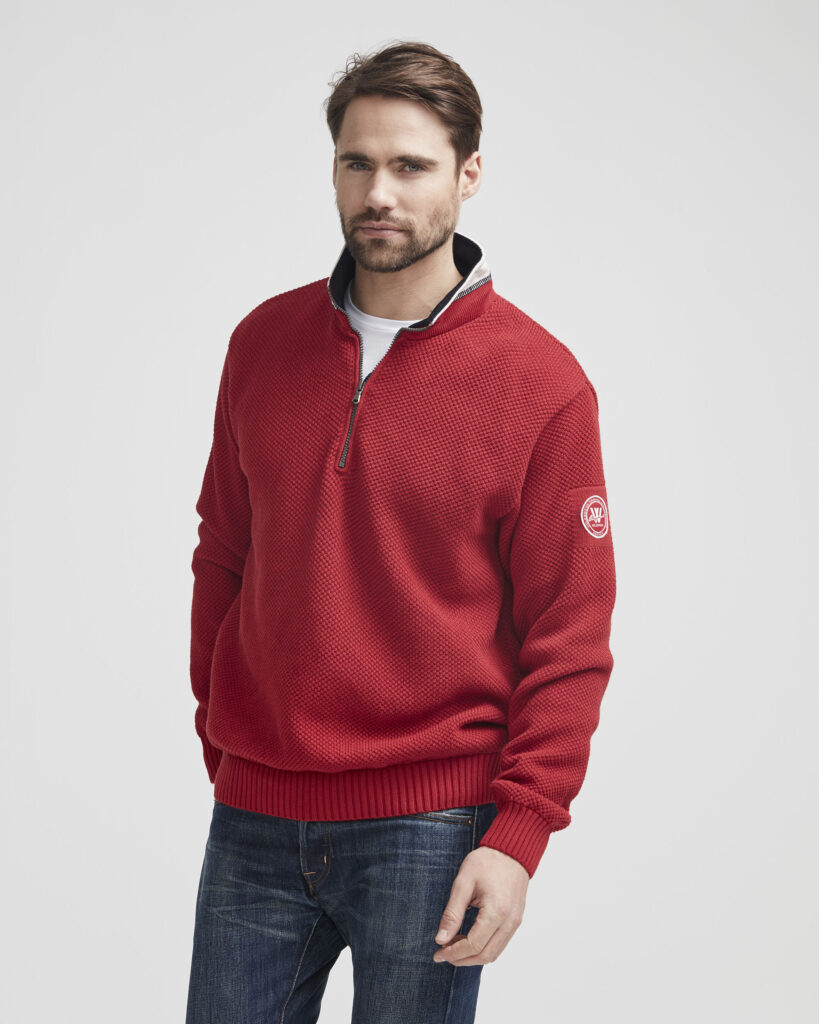
First, master the palette. The classic nautical trio is simple and timeless: navy blue, white, and red. These colors come directly from naval uniforms and still work perfectly today. For daily wear, navy blue is your safest base—it looks professional and pairs with almost anything. Red works best as an accent—think scarves, socks, or subtle detailing on a jacket—while white adds contrast and a crisp, fresh feel.
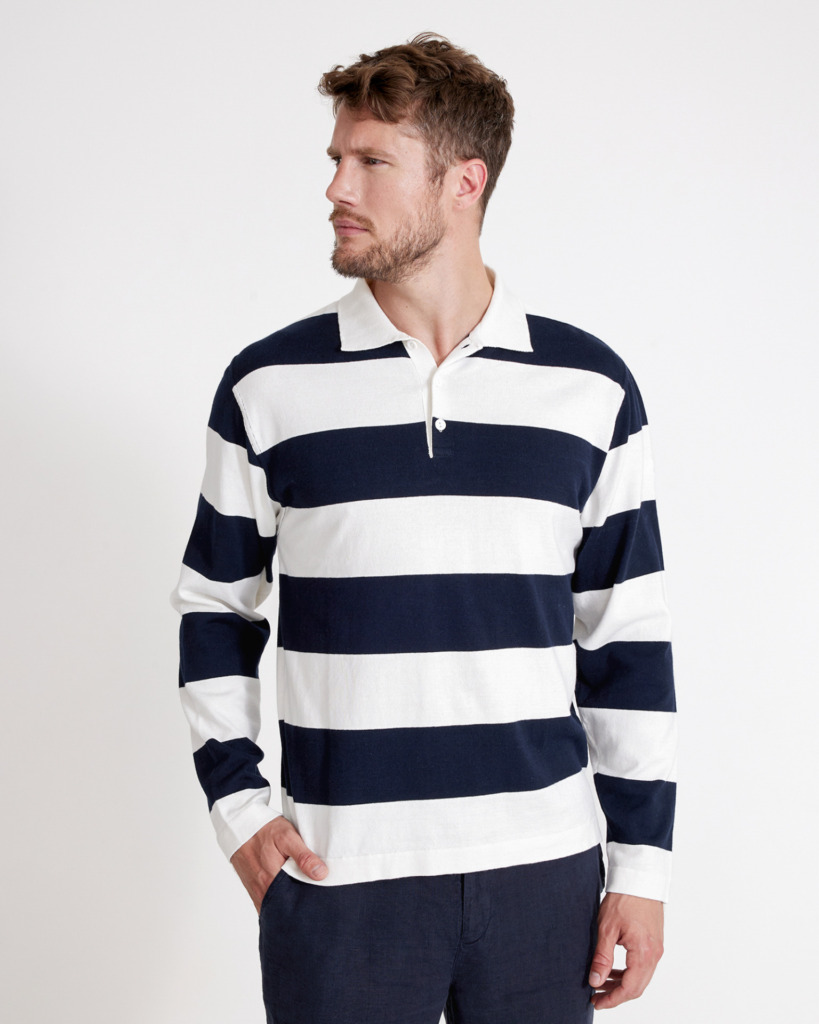
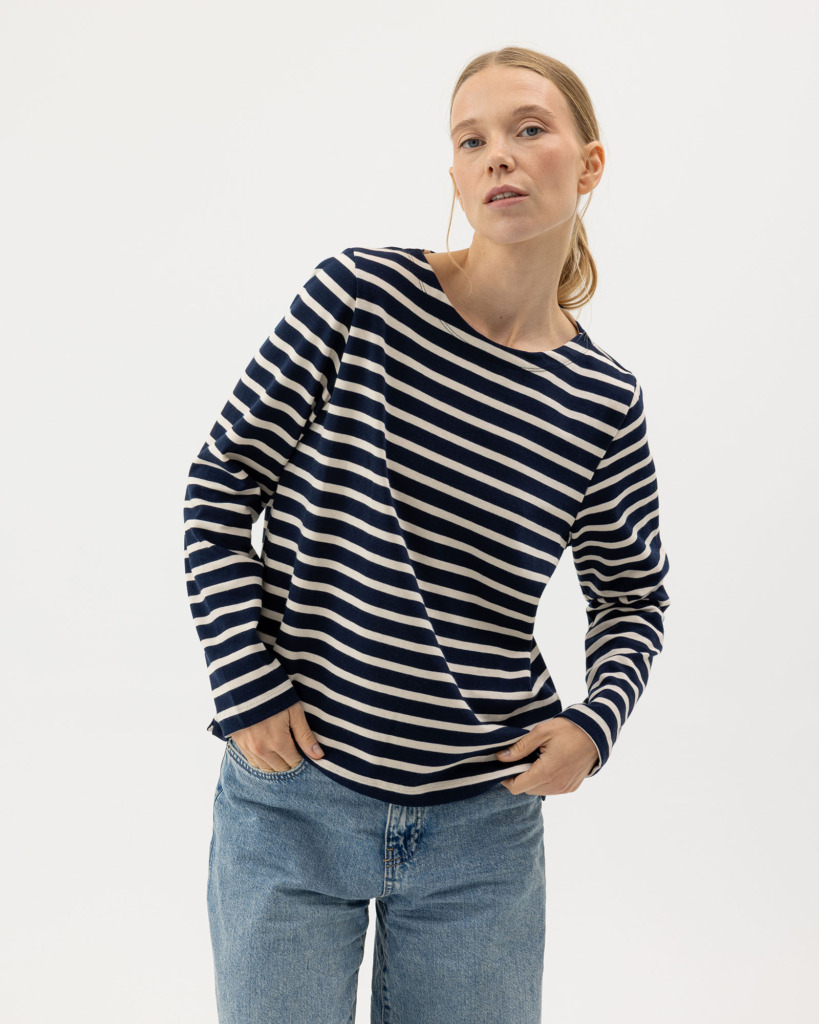
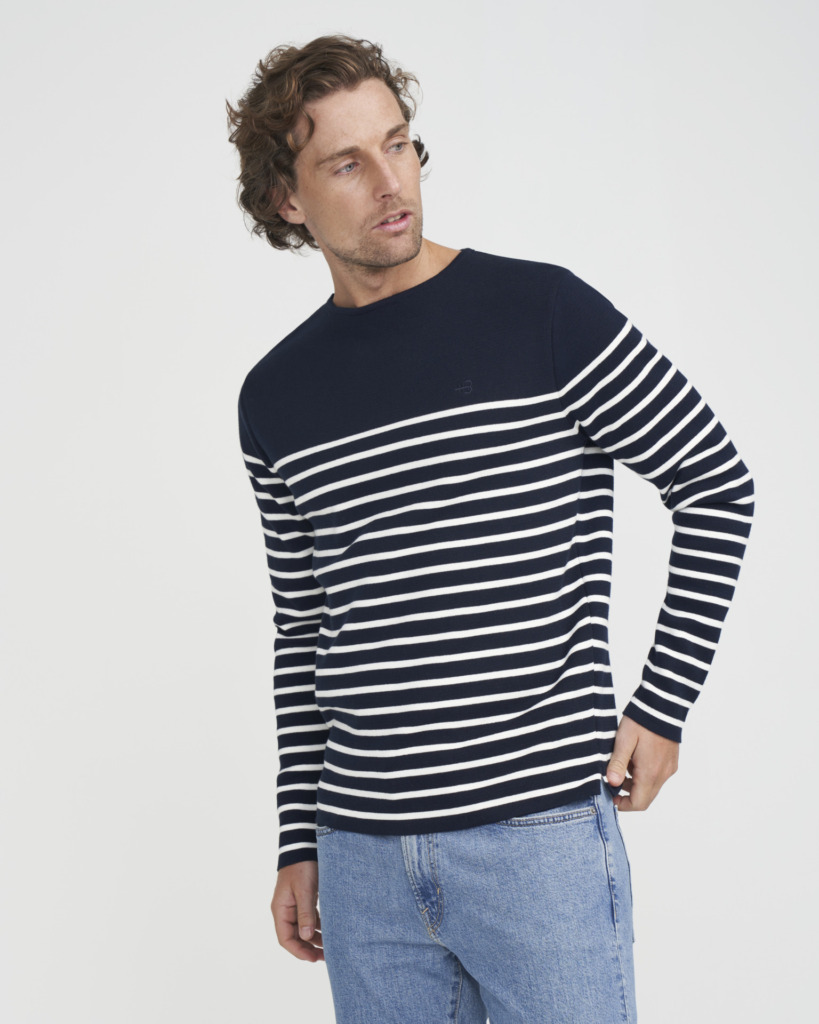
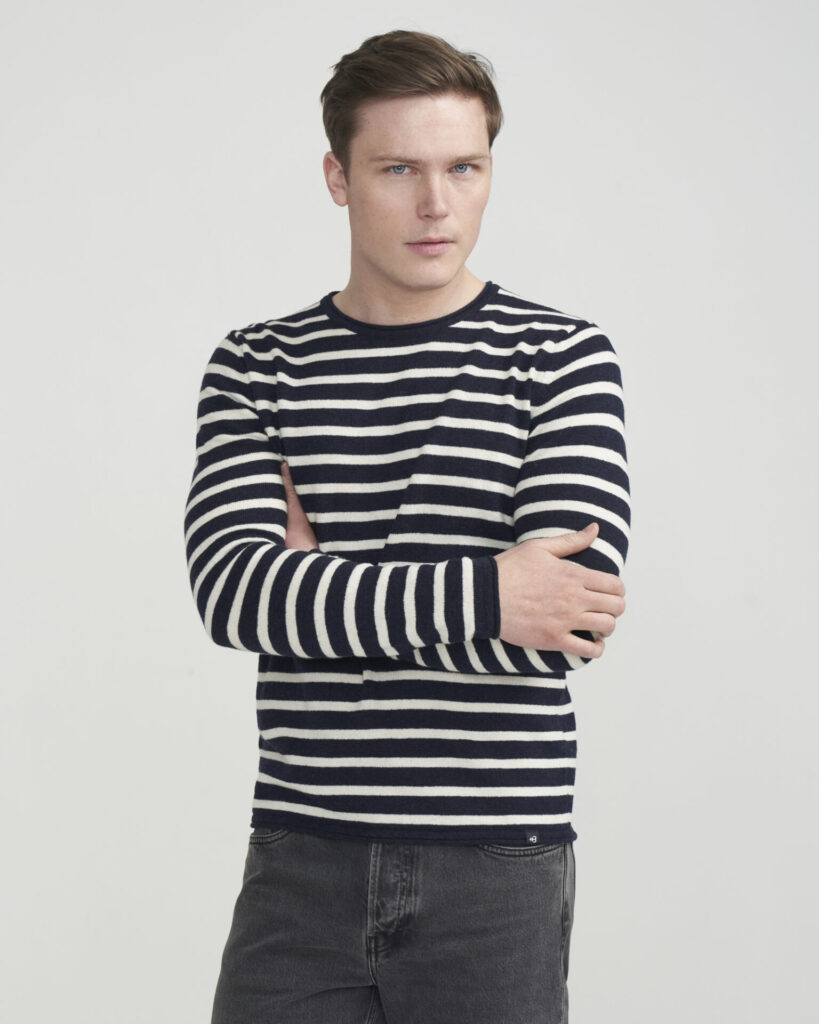
The second key element is the stripe, essentially the fingerprint of nautical style. The right striped shirt transitions seamlessly from an office blazer to a casual harbor café. Just keep an eye on proportions: finer stripes tend to look more formal, while wider bands feel sportier and more relaxed.
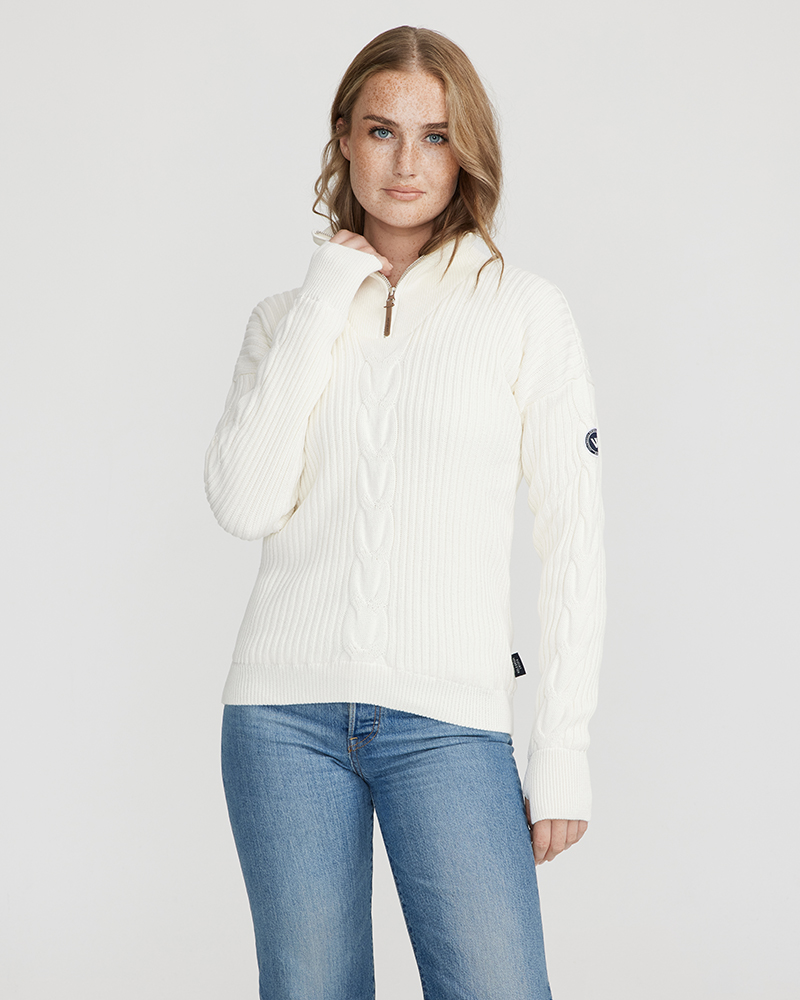
Third, never overlook the fabric. Historically, wool was a sailor’s best friend because of its natural lanolin, which kept wearers warm even when wet. Today, high-quality knitwear is still indispensable, though modern pieces often incorporate advanced technical features for extra comfort.
Nautical style is incredibly versatile, allowing you to curate looks for anything from a board meeting to a beach walk.
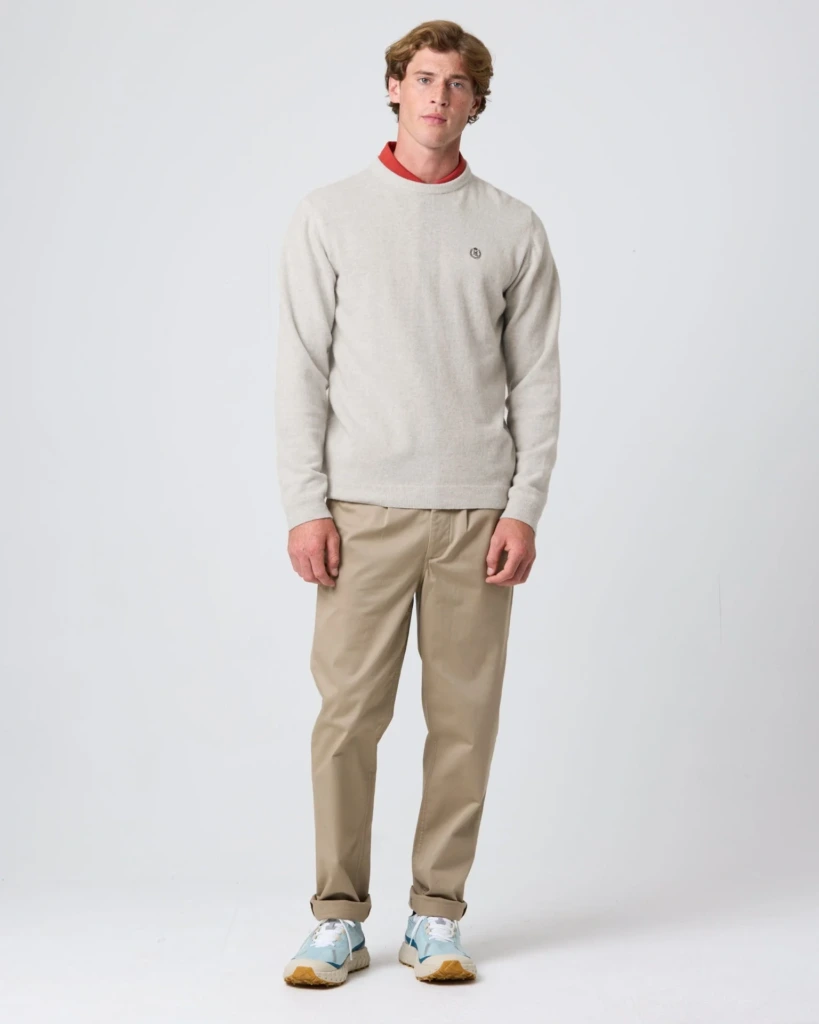
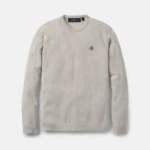
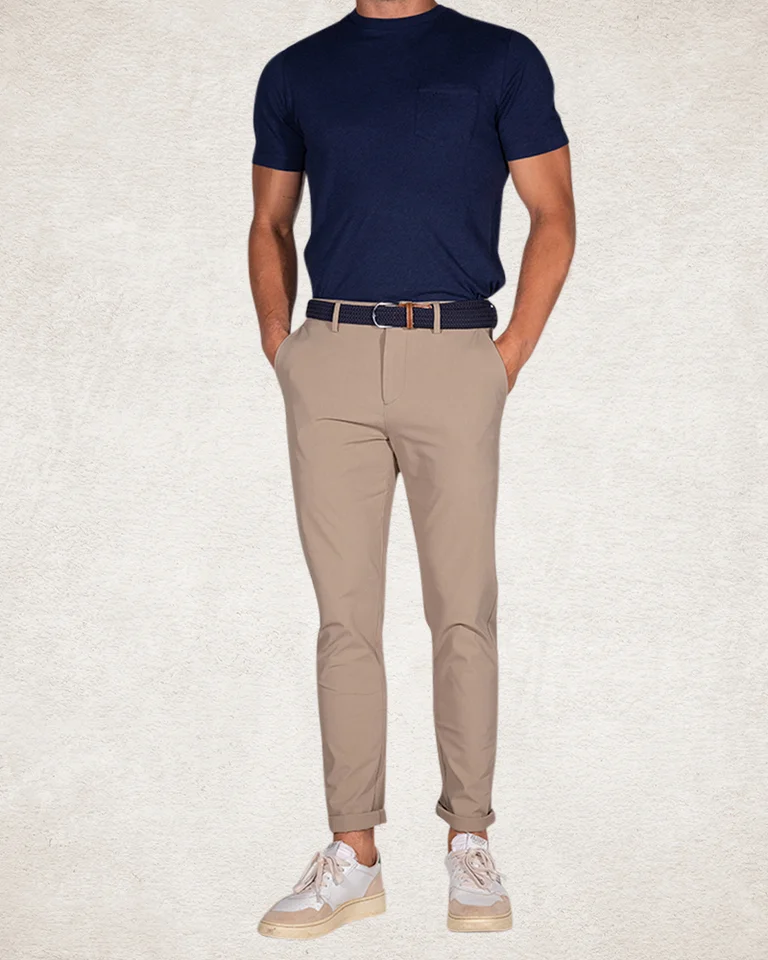
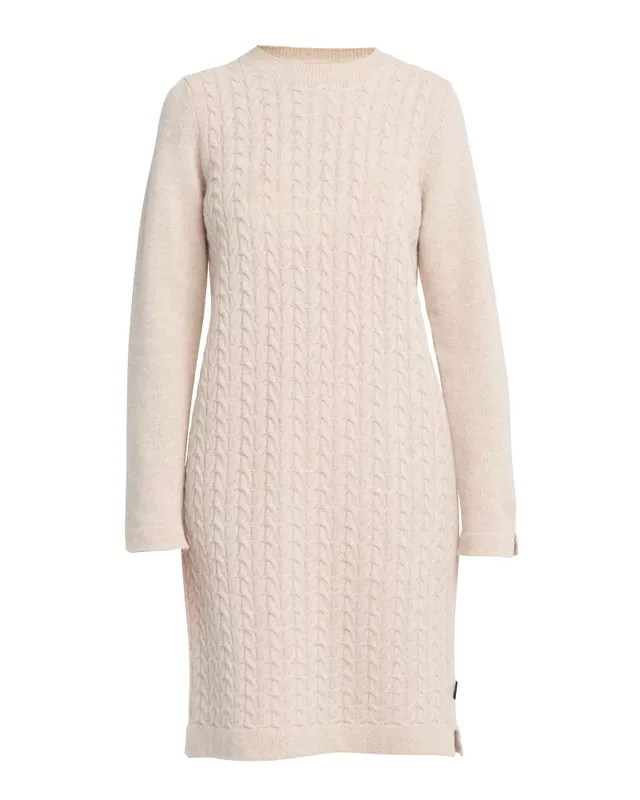
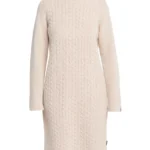
This is where function meets form. For men, a great combo is a high-quality knit with minimal branding—like a boat-neck sweater—paired with a crisp dress shirt and beige chinos. For women, a navy blue dress is a timeless classic, especially when elevated with a quality silk scarf. In cooler weather, this look is both cozy and polished.
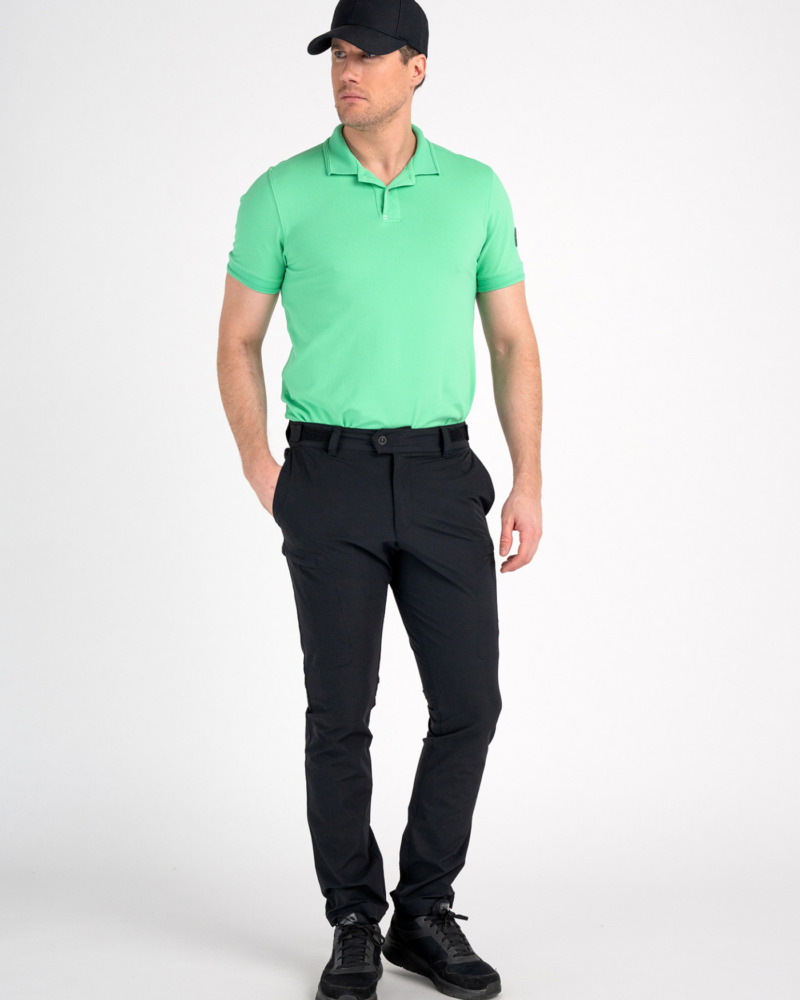
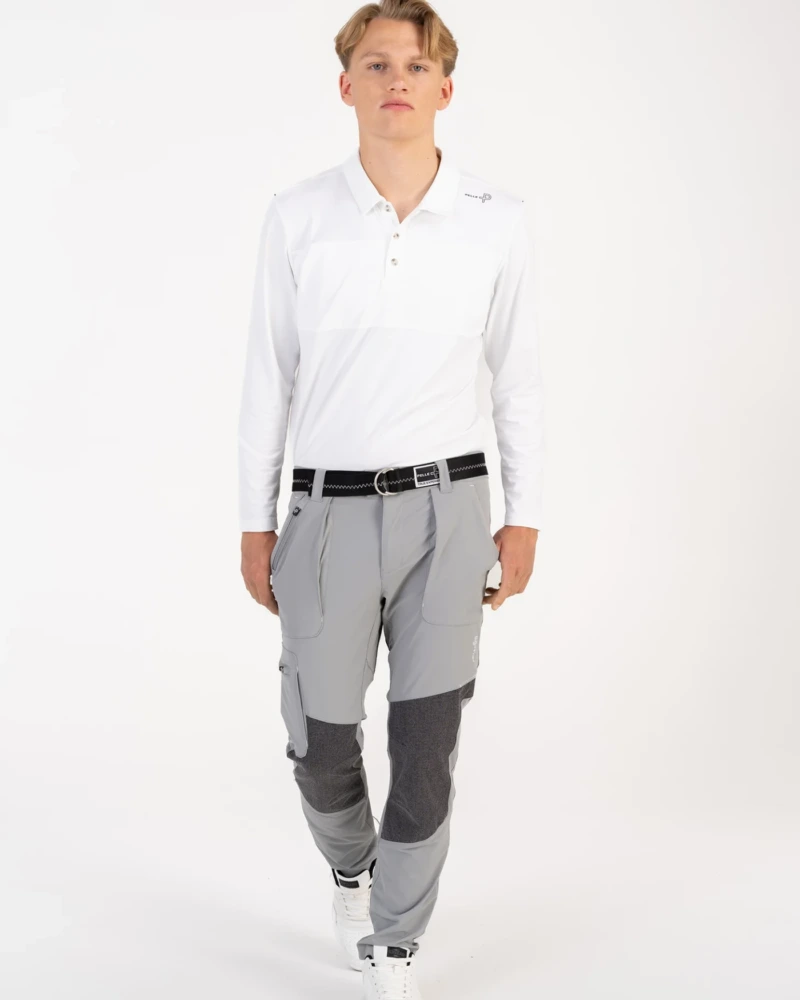
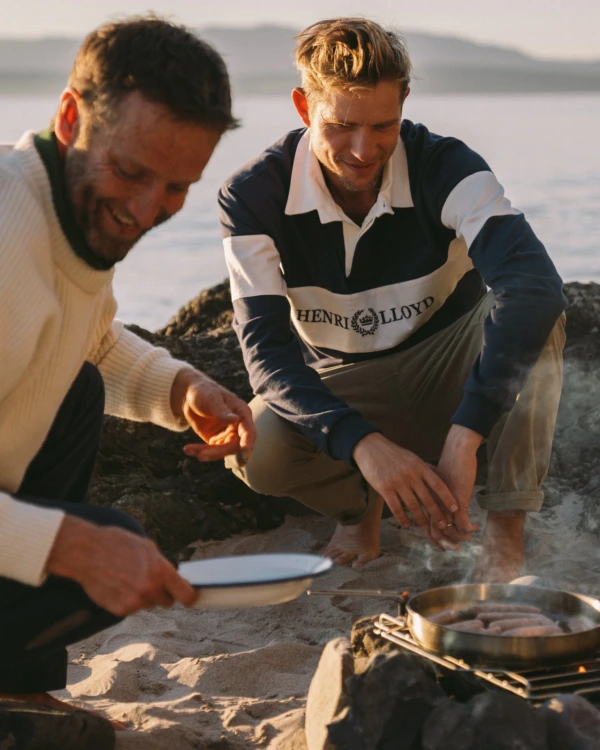
Here, the focus shifts to comfort and tech. A pioneer in this space is Henri Lloyd, a brand that brought innovations like non-corrosive zippers and waterproof taped seams to the sailing world. For a relaxed weekend outfit, grab a technical polo or rugby shirt, comfortable trousers, and a light sweatshirt. It’s the kind of gear that has your back if a sunny day suddenly turns stormy.
In the fickle Estonian climate, your clothes need to be ready for anything. Fortunately, nautical style offers solutions for every season.
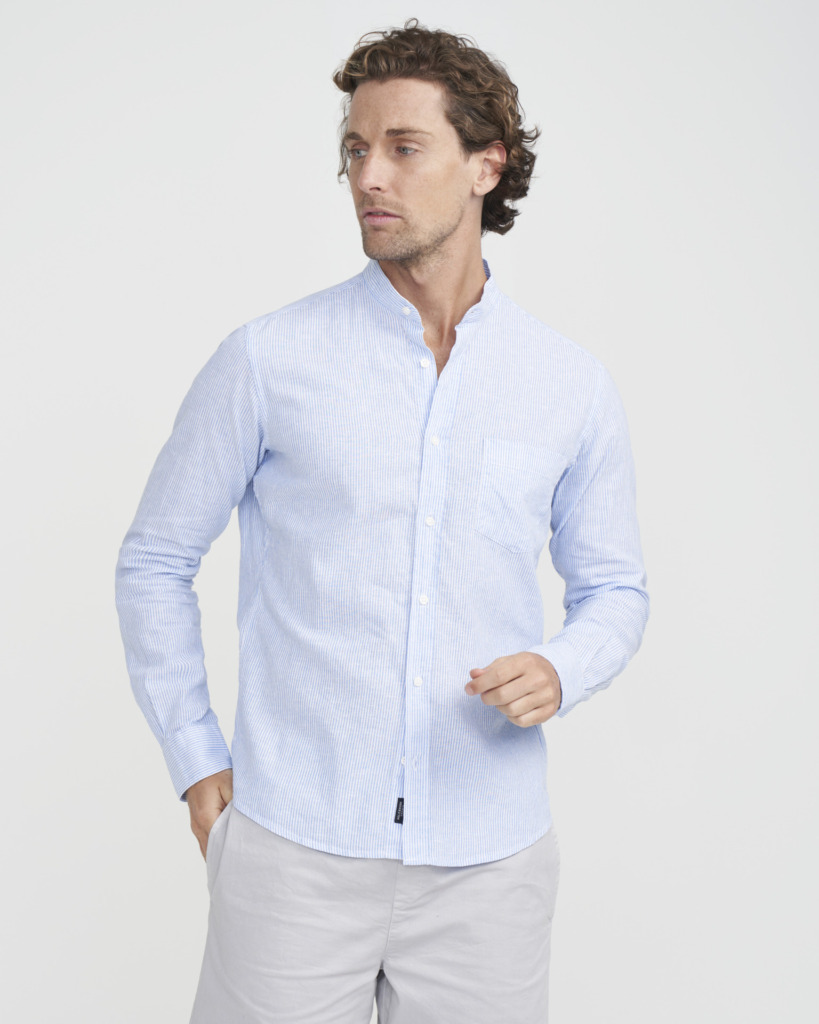
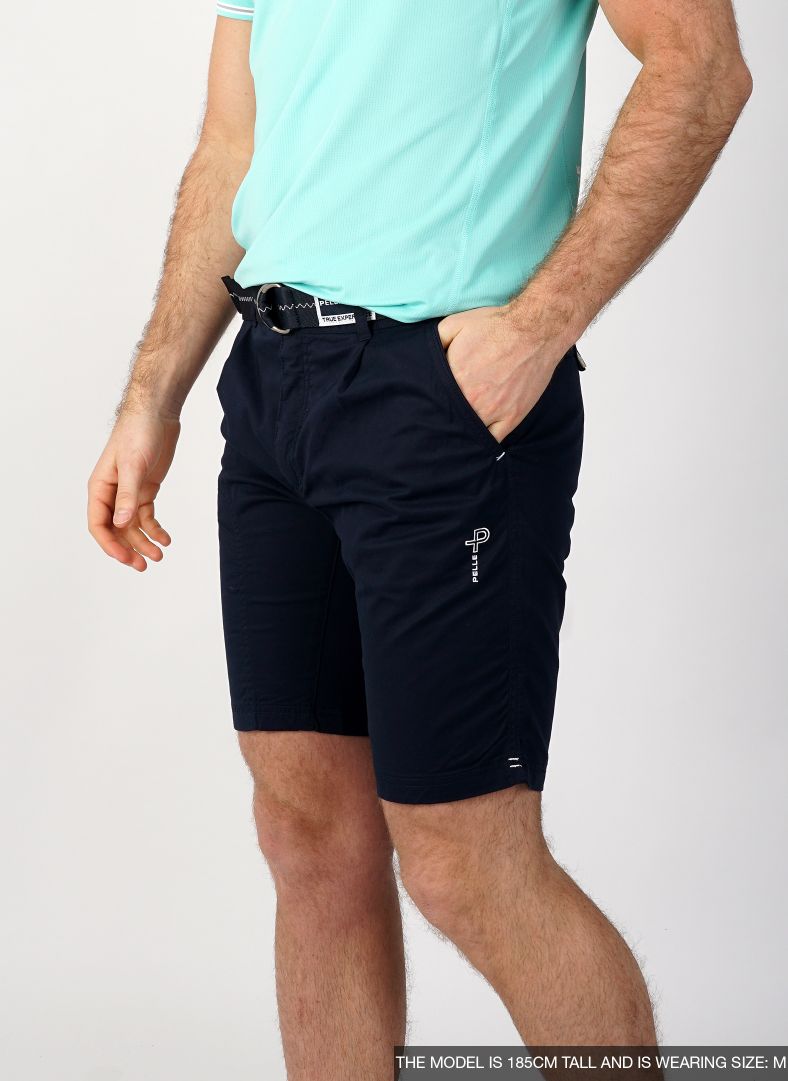
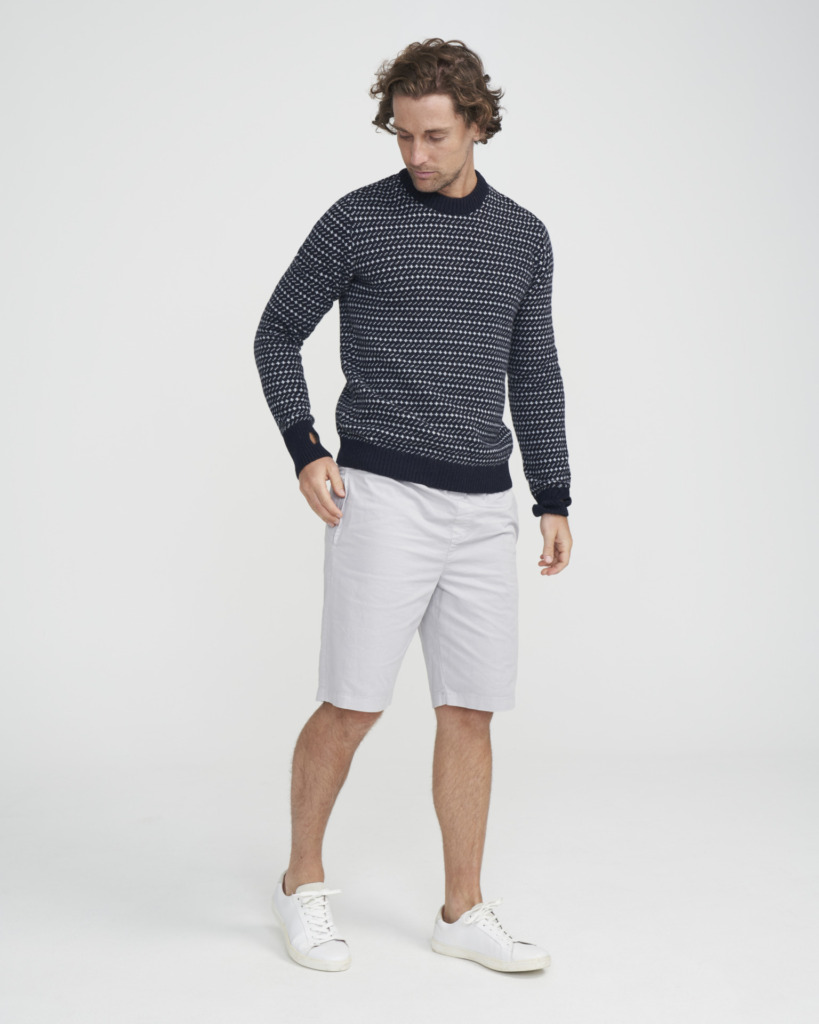
In summer, linen is king. A linen shirt is essential; it breathes well and dries fast, making it the ideal choice for hot days. For men, pairing a linen shirt with shorts and classic deck shoes creates an effortlessly elegant vibe.
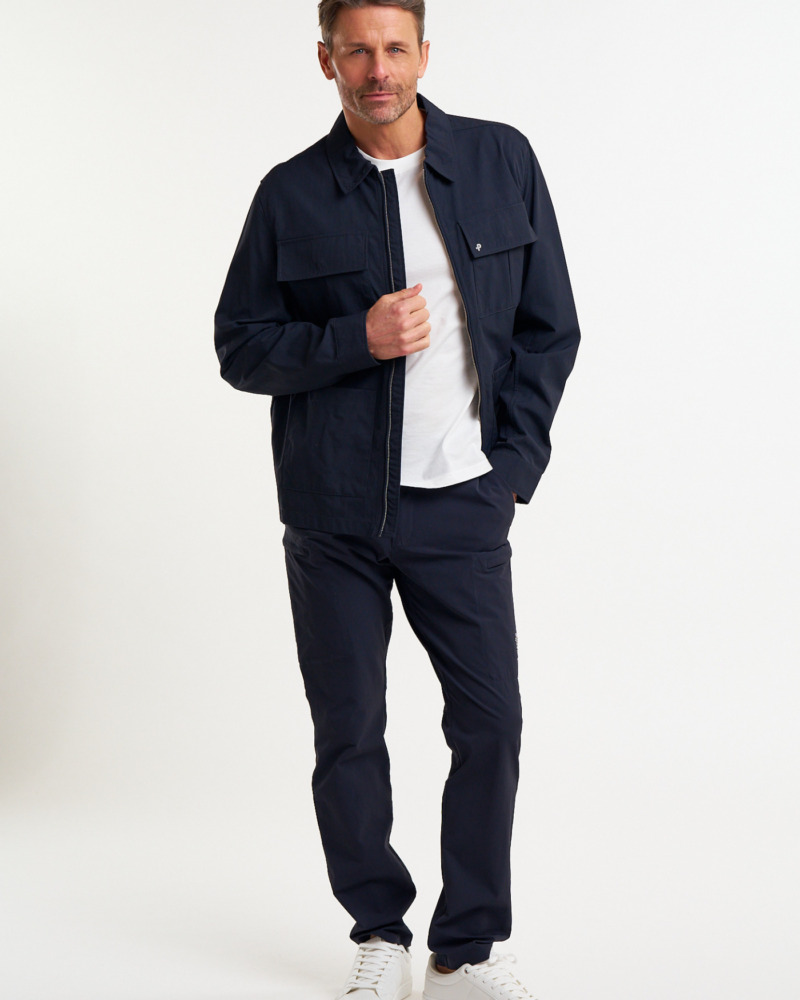
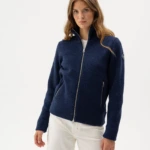
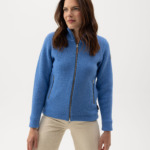
During the tricky transition months of spring and autumn, wind resistance is key. A sweater with a windproof lining often works better than a jacket, offering warmth without the bulk. Men can pair a windproof sweater with jeans and leather boots, while women can rely on layering—combining a warm jacket or sweatshirt with a thermal base layer.
To keep your nautical gear looking sharp for years to come, follow a few simple rules. Don’t over-wash your woolens, especially sweaters with windproof linings. Wool is naturally self-cleaning, so simply airing it out is often enough. If you must wash it, always use the wool cycle and a specialized detergent.
For technical fabrics found in many sailing clothes, avoid fabric softener entirely. Softener clogs the pores of the material, killing its breathability. Finally, if your clothes have been exposed to sea spray, rinse them in fresh water even if you aren’t doing a full wash immediately. Salt is corrosive and will eventually damage fibers and zippers if left unchecked.
Nautical style is more than just clothing—it’s a nod to tradition and a sign that you value quality and are ready for the next adventure.
Check out our selection and find your new favorites: