Did you know that the wrong choice of clothing can turn a perfect day on the water into an uncomfortable or even hazardous experience? Selecting the right material is about more than just style; it dictates your comfort, mobility, and protection against the elements. This guide explores which fabrics to prioritize for different maritime activities and how to extend their lifespan through proper care.
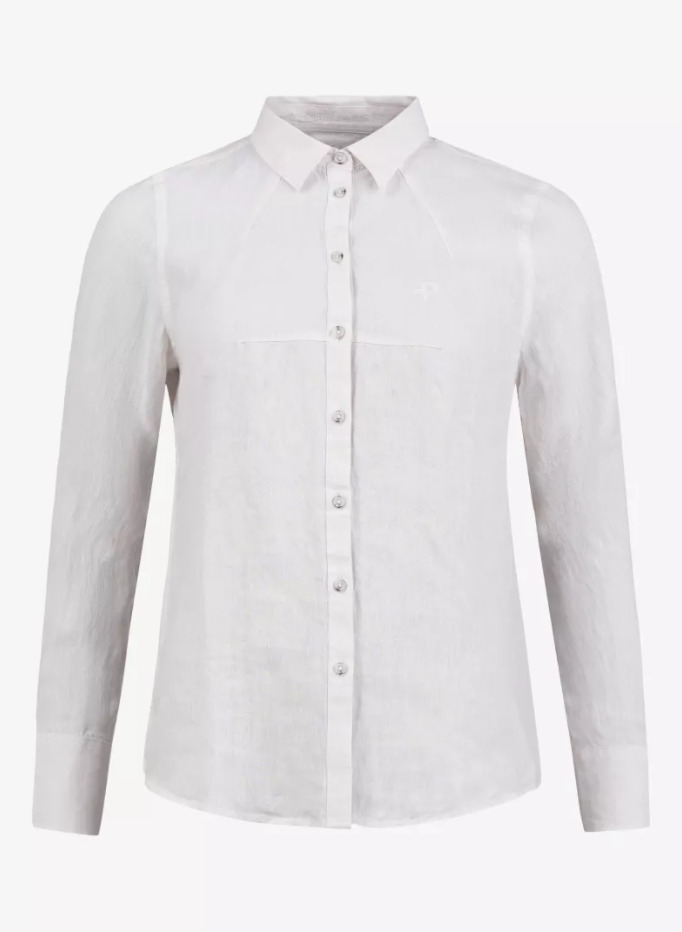
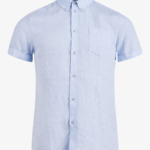
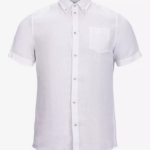
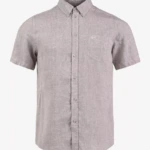
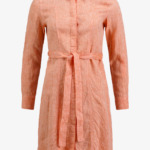
Cotton and linen are the cornerstones of coastal style, offering exceptional breathability and a timeless aesthetic. However, it is vital to understand how these fibers perform in a maritime environment. While cotton is soft and comfortable against the skin, it has a significant drawback: it is highly absorbent and slow to dry. Wet cotton saps body heat far faster than dry fabric, which can lead to a rapid chill or even hypothermia in cool, damp conditions. Consequently, cotton garments—such as tailored men’s shirts or casual dresses—are best reserved for warm, dry days spent on shore.
Linen is even more breathable, capable of absorbing up to 20% of its weight in moisture before it even feels damp to the touch. It dries more quickly than cotton, making it the premier choice for tropical climates and beachfront promenades. While linen is prone to wrinkling, this is widely regarded as a hallmark of its natural, relaxed elegance. To care for high-quality natural fibers, always follow the specific labels: wash in cool water with a mild detergent and avoid tumble drying to prevent fiber degradation. For more detailed maintenance tips, see our guide on caring for wool and summer materials.
Wool is a staple of maritime tradition, prized for its unique ability to regulate body temperature and provide warmth even when wet. Unlike synthetic alternatives, wool contains lanolin, which provides natural antibacterial properties and inherent dirt resistance. Merino wool is particularly sought after for its ultra-fine fibers that feel soft against the skin rather than itchy. It can absorb up to 30% of its dry weight in moisture without losing its insulating properties. In a technical layering system, merino excels as a base layer or high-performance hosiery—we recommend the Brommö wool-blend socks or Längö socks.
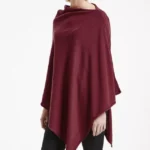
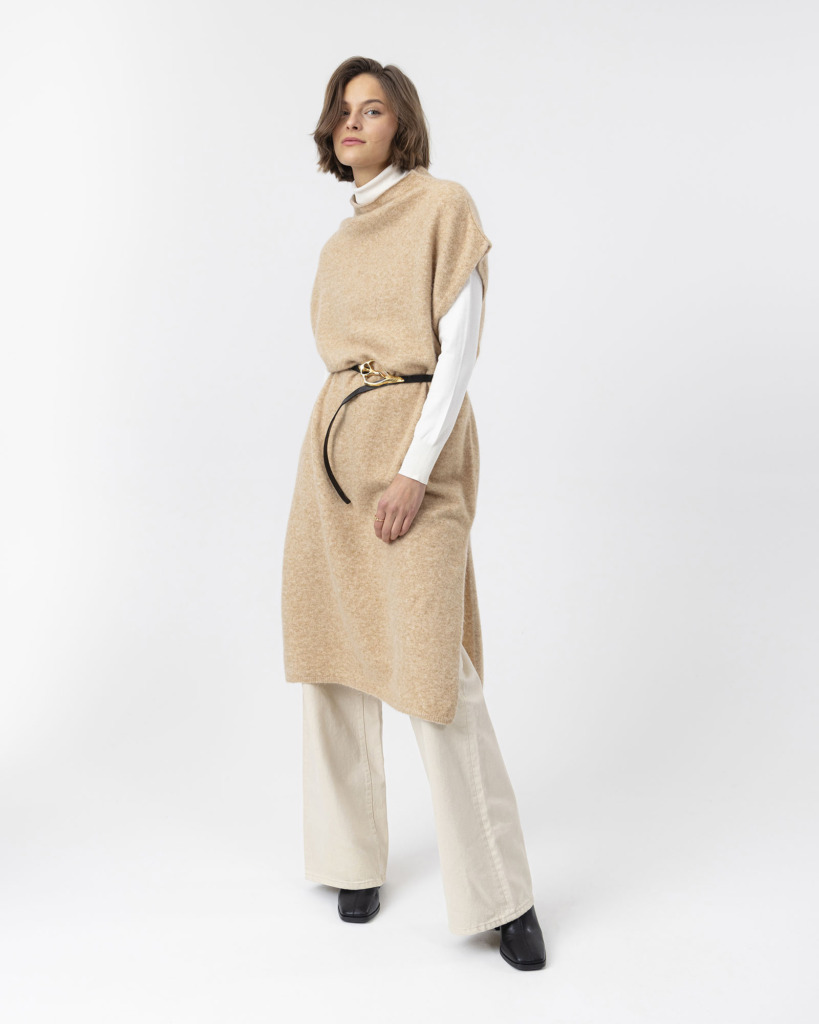
Beyond merino, alpaca and mohair offer luxury-tier warmth. Alpaca wool is an excellent alternative for those with sensitive skin, as its fibers lack scales and lanolin, yet it provides more insulation than standard sheep’s wool. Mohair adds a silky luster and lightweight loft to knitwear while remaining remarkably resistant to pilling. Woolen garments rarely need frequent washing; often, a simple airing out in the fresh air is enough to refresh them. When washing is necessary, use a dedicated wool detergent and always dry the garment flat to maintain its shape. For a deeper dive into these materials, read our article on how to choose the best wool knitwear.
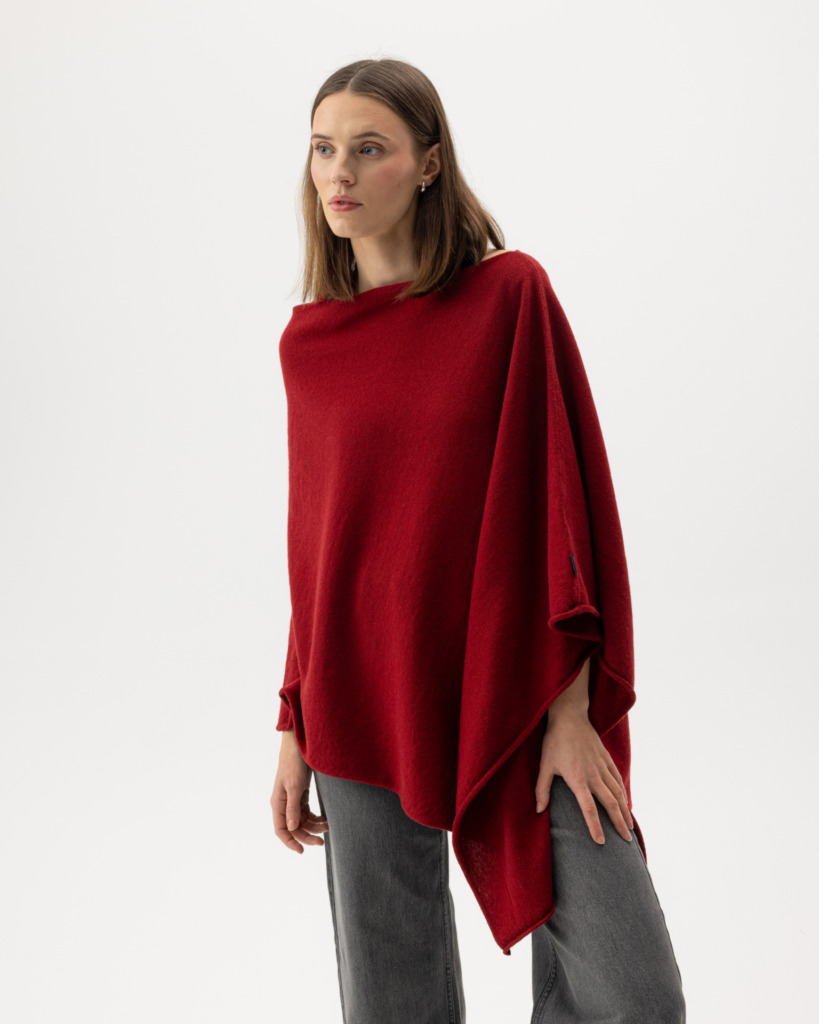

This product is currently out of stock and unavailable.
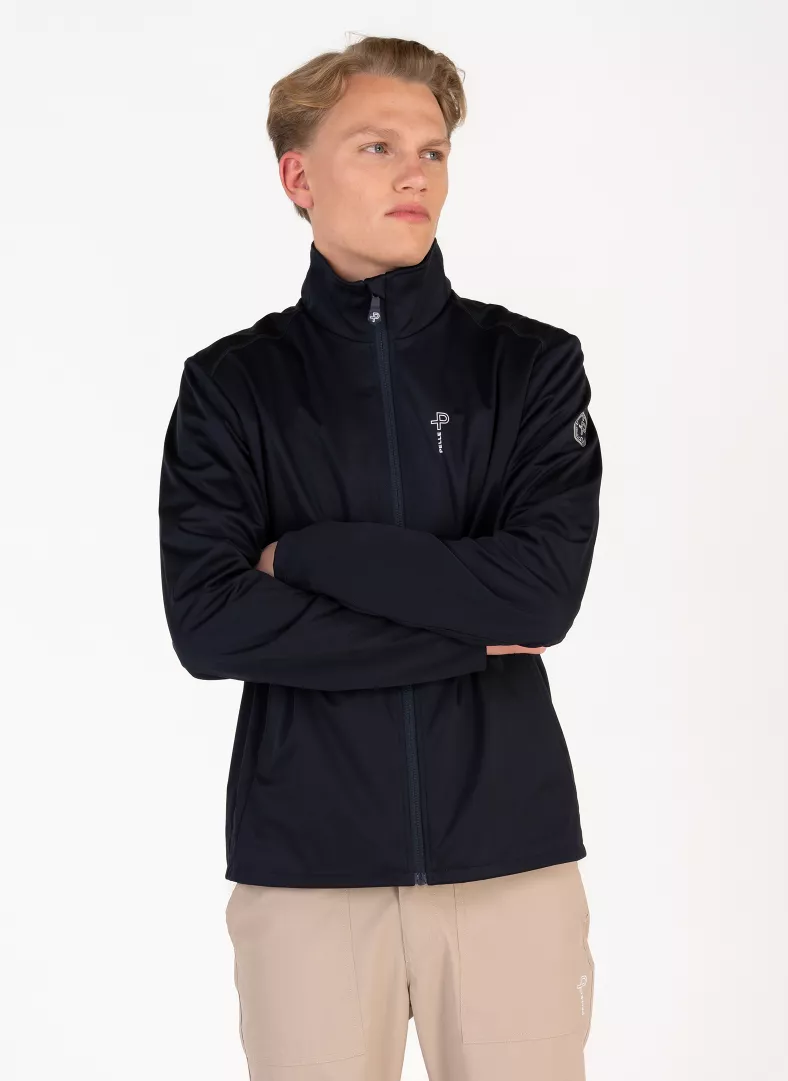
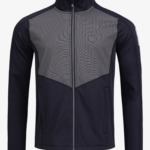
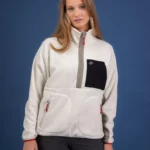
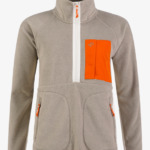
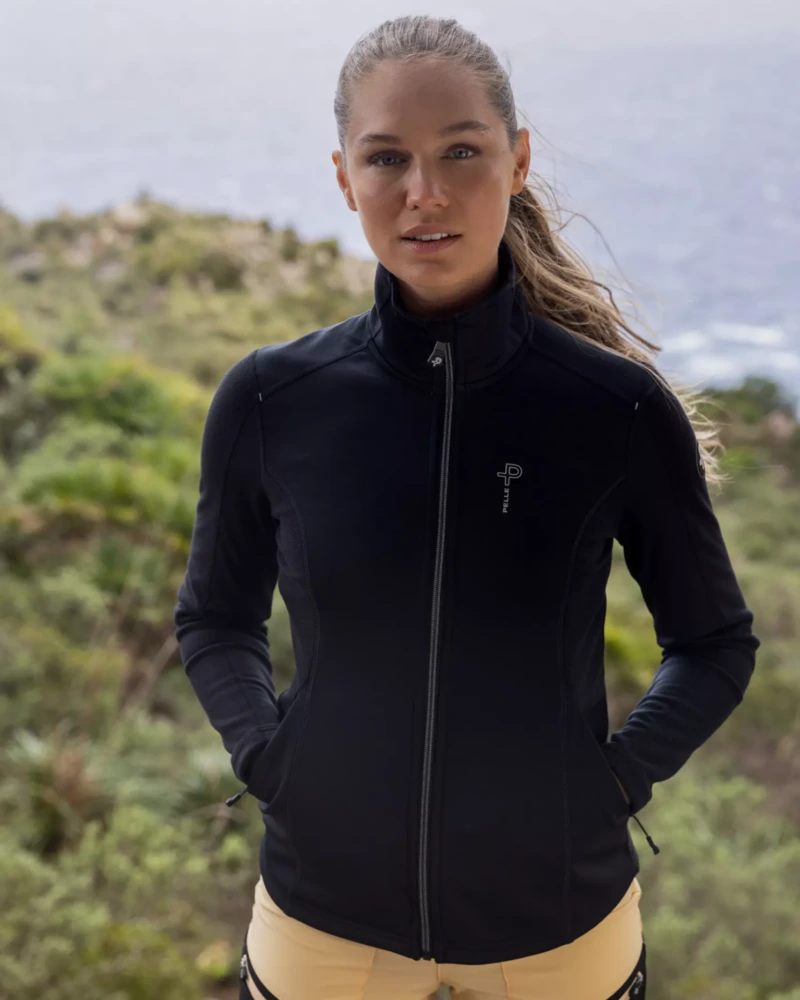
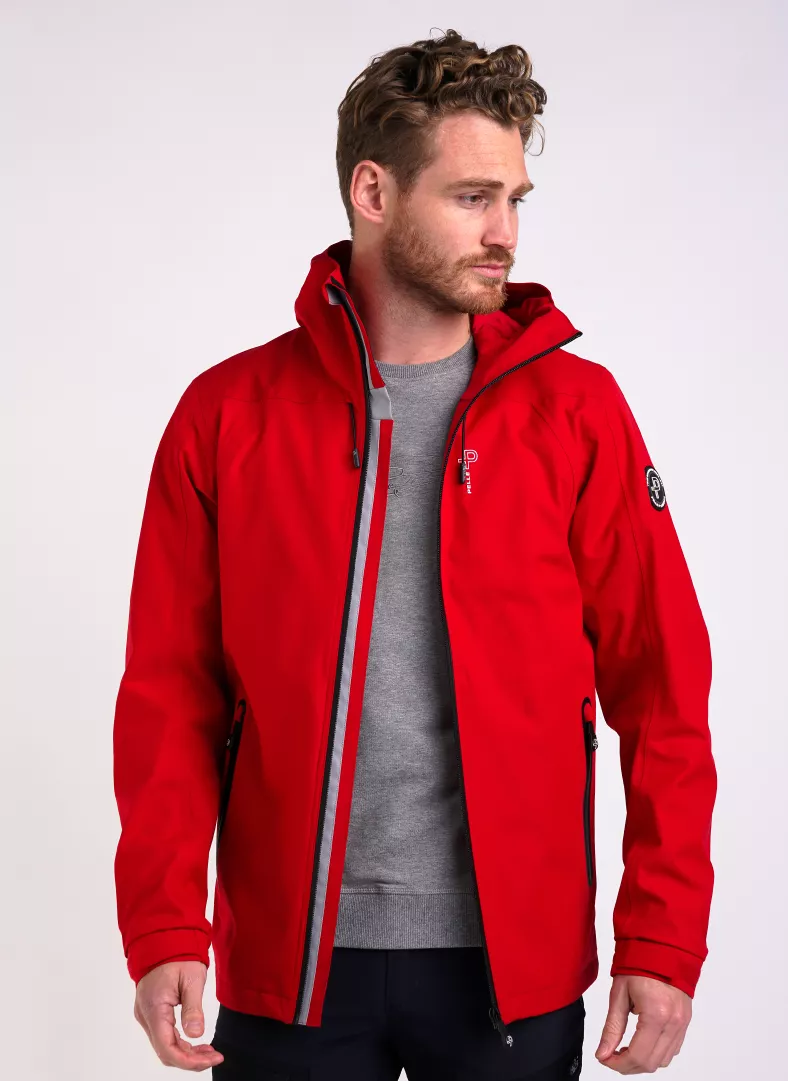
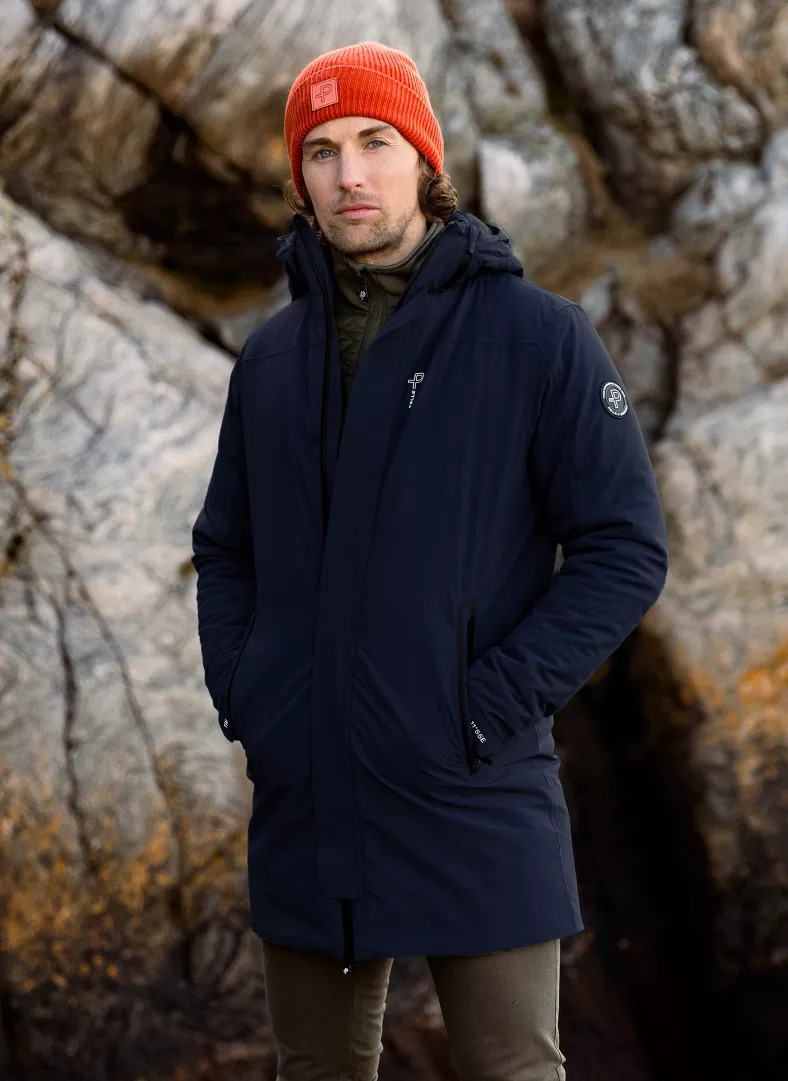
Modern technical apparel relies heavily on polyamide and polyester because they are lightweight, durable, and hydrophobic (water-repellent). Fleece, a specialized polyester knit, is an indispensable mid-layer for cold-weather sailing. It traps pockets of air between its fibers to create a thermal barrier while remaining highly breathable and quick-drying. Polyamide (nylon) is preferred for its exceptional abrasion resistance, which is why technical heritage brands like Henri Lloyd and Pelle Petterson utilize it for high-performance sailing jackets and outer shells.
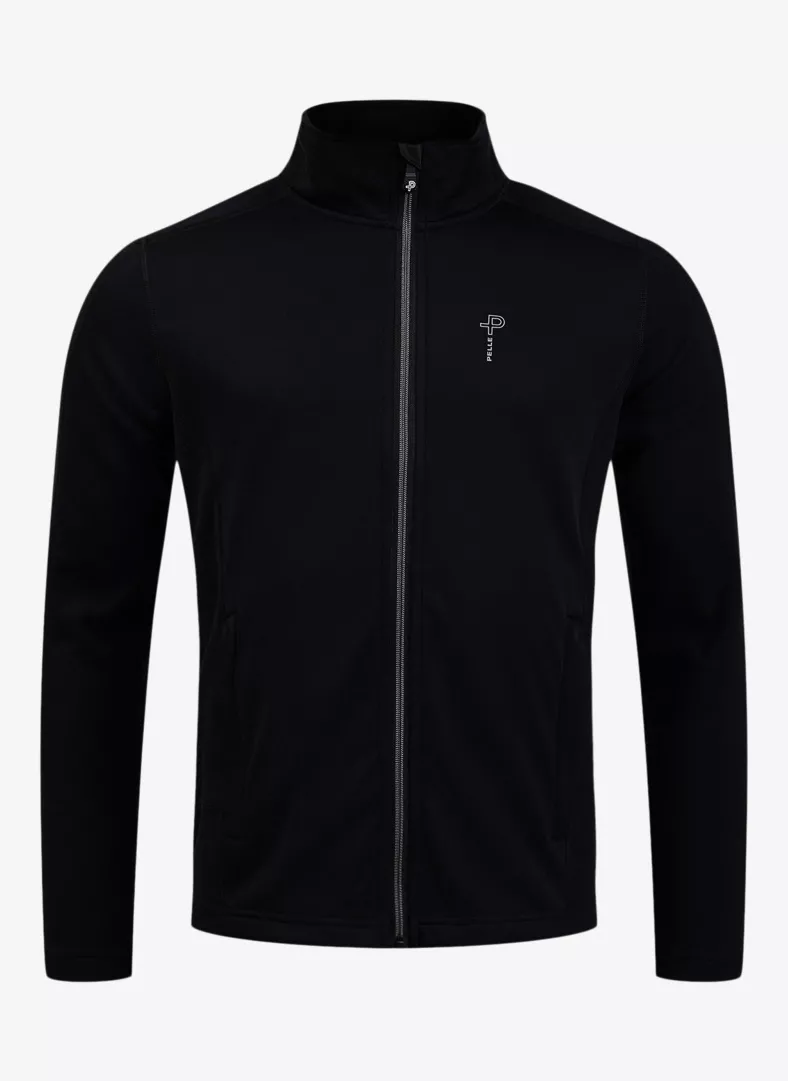
When laundering synthetic technical gear, it is critical to avoid fabric softeners. Softeners can clog the microscopic pores of the fabric, severely compromising breathability and moisture-wicking performance. We recommend using specialized technical detergents designed to preserve material functionality. For example, Pelle Petterson’s Plannard series features GRID® fabric—a four-way stretch polyester that wicks moisture away from the body while maintaining warmth in cool conditions. Explore our full range in the men’s sweatshirts and fleeces and women’s jackets sections.
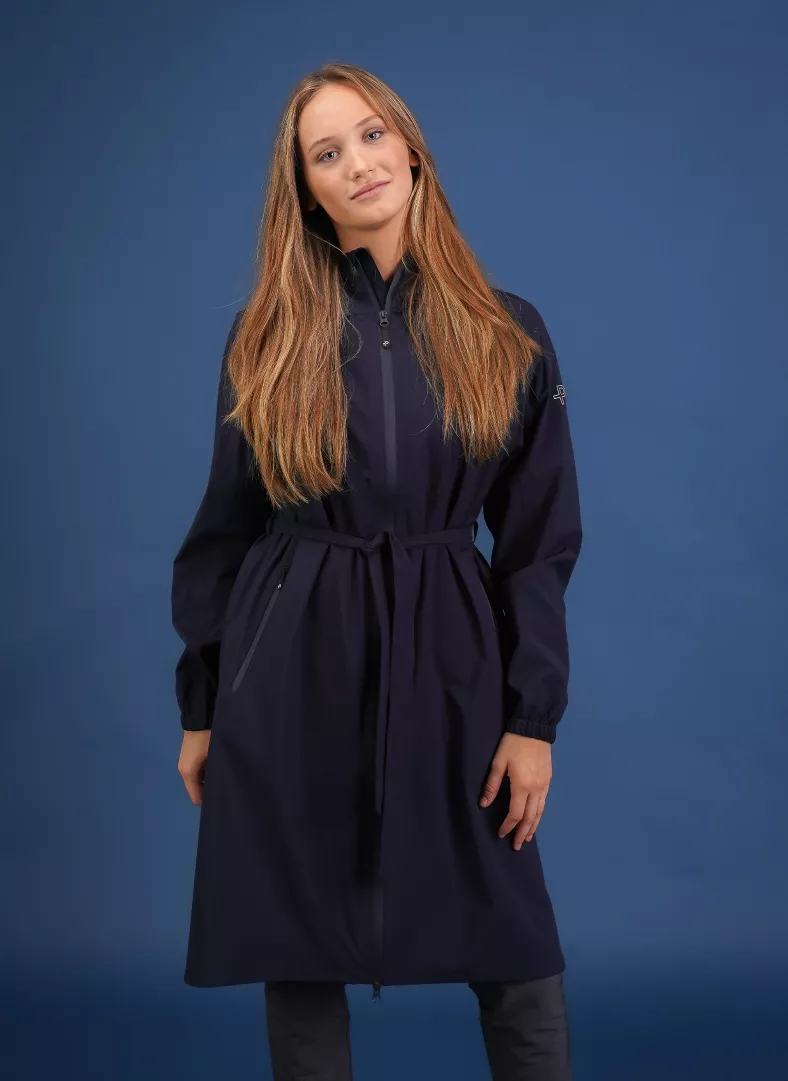
When facing heavy spray and high winds, a technical outer shell is your primary line of defense. Advanced membrane fabrics, such as Hi:res®, are engineered to block external water while allowing internal moisture vapor (sweat) to escape. This performance is usually enhanced by a DWR (Durable Water Repellent) coating—an invisible treatment that causes water to bead up and roll off the surface.
At sea, salt is the primary enemy of these membranes. Salt crystals are hydrophilic (water-attracting) and can clog the membrane’s pores, causing the fabric to “wet out” and stop breathing. It is essential to rinse your technical gear with fresh water after every outing. If you notice that water no longer beads on the surface but instead soaks into the face fabric, it is time to restore the DWR finish with a specialized treatment. For step-by-step instructions, consult our guide to nautical clothing care.
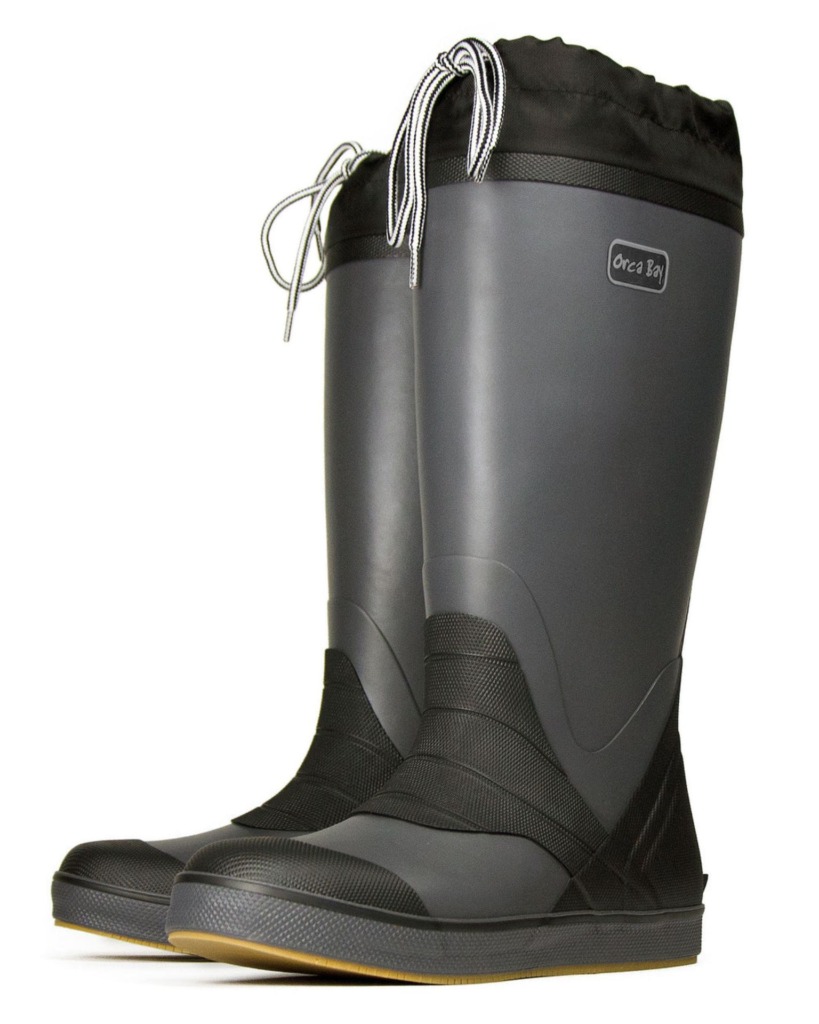
Footwear for sailing must provide two things above all else: exceptional grip and moisture protection. Premium sailing boots are crafted from 100% natural rubber, which remains flexible in cold temperatures and offers superior traction on wet, heeling decks. Many models also feature a neoprene lining for added thermal insulation in extreme conditions.
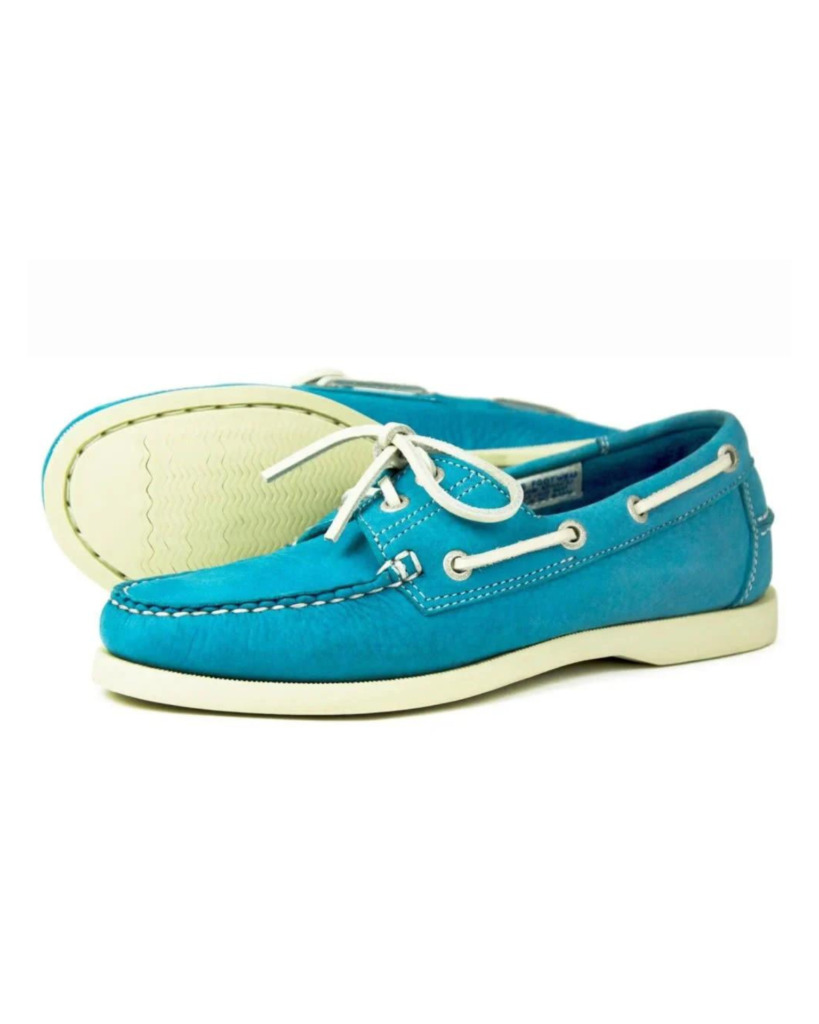
In contrast, classic boat shoes are typically made from soft nubuck or specialized leathers treated to resist saltwater damage; some modern versions are even machine-washable. Leather is an ideal material for footwear because it gradually molds to the unique shape of the wearer’s foot. To maintain your footwear, always rinse off salt after use and store rubber boots away from direct sunlight to prevent the material from becoming brittle or cracking. Discover our collection of men’s footwear and women’s boat shoes.
By understanding the technical properties of these materials, you can invest in gear that ensures comfort and safety for years to come. Whether you are looking for a classic men’s knitwear piece or a high-performance technical jacket, proper care is the key to longevity. To receive our latest maritime advice and exclusive offers, sign up for our newsletter and enjoy 10% off your first purchase!