Have you ever bought a beautiful sweater only to watch it lose its shape after just a couple of washes? Discerning quality isn’t a matter of luck; it’s the skill of spotting the subtle details in fabric and construction that separate disposable fast fashion from a true wardrobe investment.
A garment’s longevity begins with its fibers. The most reliable indicator of quality is a reliance on natural fibers over cheap synthetics. Materials such as wool, cotton, linen, and silk offer superior breathability, better temperature regulation, and a much longer lifespan—provided they receive proper care.
High-quality fabric is defined by its density and opacity. Try holding a piece up to the light: if the weave appears uneven or feels unnaturally thin, it’s a sign of low thread count. A denser weave is inherently more durable and holds its silhouette better, as noted in our comprehensive guide to clothing materials.
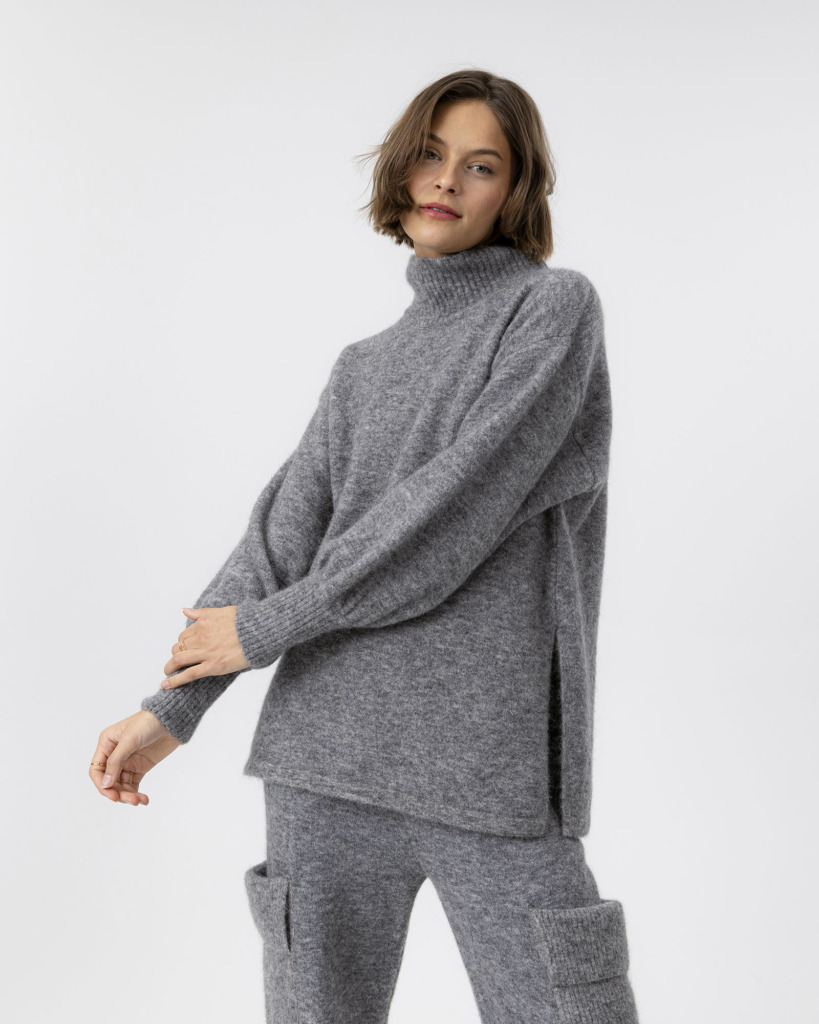
Fiber length is another critical factor. Premium textiles utilize longer fibers, resulting in a smoother, stronger yarn that is significantly less prone to pilling. For instance, merino and alpaca wool are prized for their exceptional softness and “memory”—the ability to bounce back into shape. You can test this by gently stretching the fabric; a high-quality material should immediately return to its original form.
If the fabric is the raw material, the stitching is the engineering that determines how long a garment will last. To cut costs, fast-fashion brands often use longer, looser stitches that are prone to unraveling under tension.
A hallmark of superior craftsmanship is high stitch density, or SPI (stitches per inch). Generally, more stitches per inch mean a stronger, more resilient seam. Always check that the seams are straight and free of loose threads. A quick way to judge quality is to turn the garment inside out; the interior finishing should be as clean and precise as the exterior. On premium pieces, high-stress areas like shoulder seams and pocket corners are always reinforced with extra stitching.
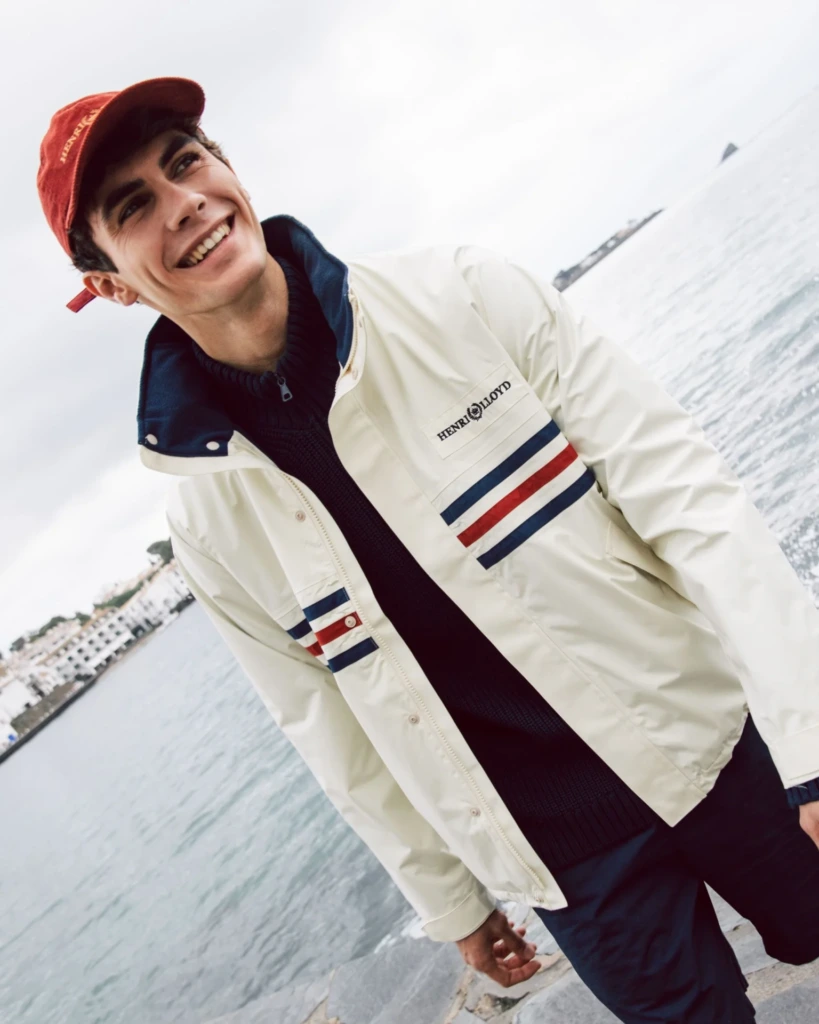
Pattern matching is another dead giveaway. On a high-quality striped or checkered shirt, the patterns will align perfectly at the seams. This requires precise cutting and higher fabric consumption, signaling that the manufacturer has prioritized excellence over profit margins.
Small details often reveal more about a product’s standards than the brand label itself. A manufacturer that invests in premium fabric is unlikely to cut corners on the finishing touches.
This product is currently out of stock and unavailable.
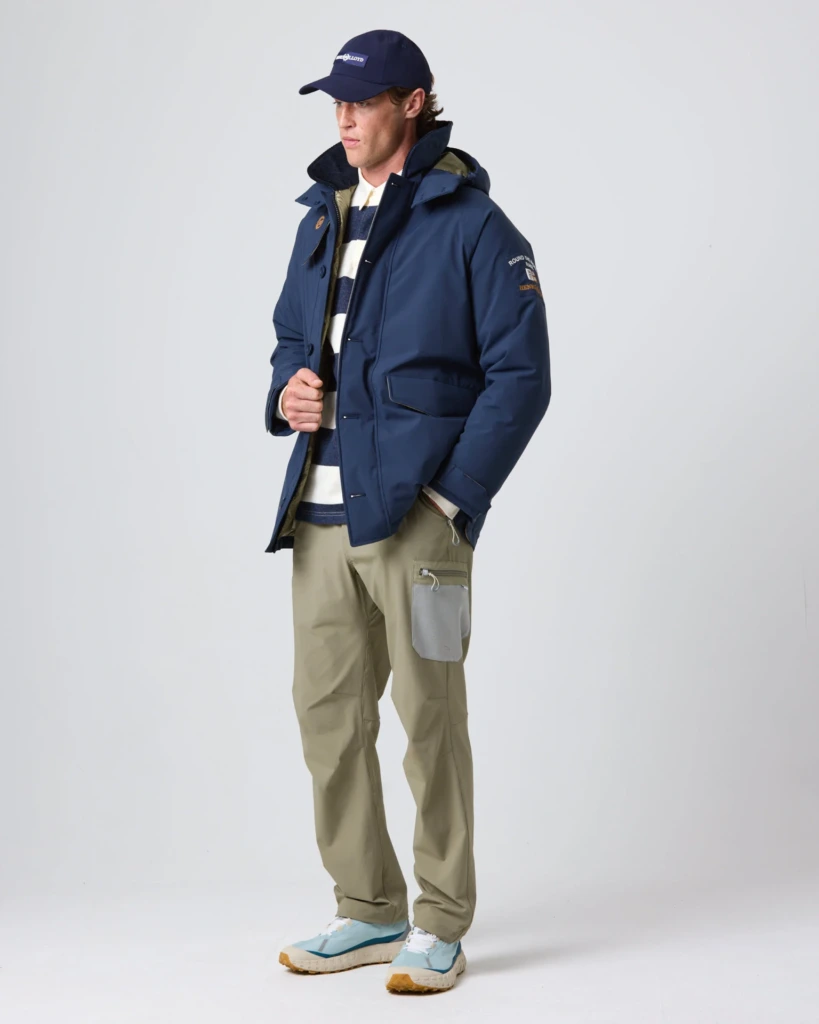
For casual and technical outerwear, quality is also measured by how the garment performs in the elements. Scandinavian brands like Pelle P utilize specialized Hi:res® membranes, which offer a sophisticated balance of wind and water protection without sacrificing breathability.
You can identify high-end technical gear by its taped seams, which prevent moisture from seeping through needle holes. It is also worth checking the water column and breathability ratings; the higher the numbers, the better the garment will perform in heavy rain and wind. This level of technical precision ensures your clothing is as functional on the open sea as it is on city streets.
A well-made garment is engineered to follow the body’s natural movement, providing comfort without losing its shape. This is especially vital for trousers, where choosing the right cut is the difference between a flattering look and a poor fit.
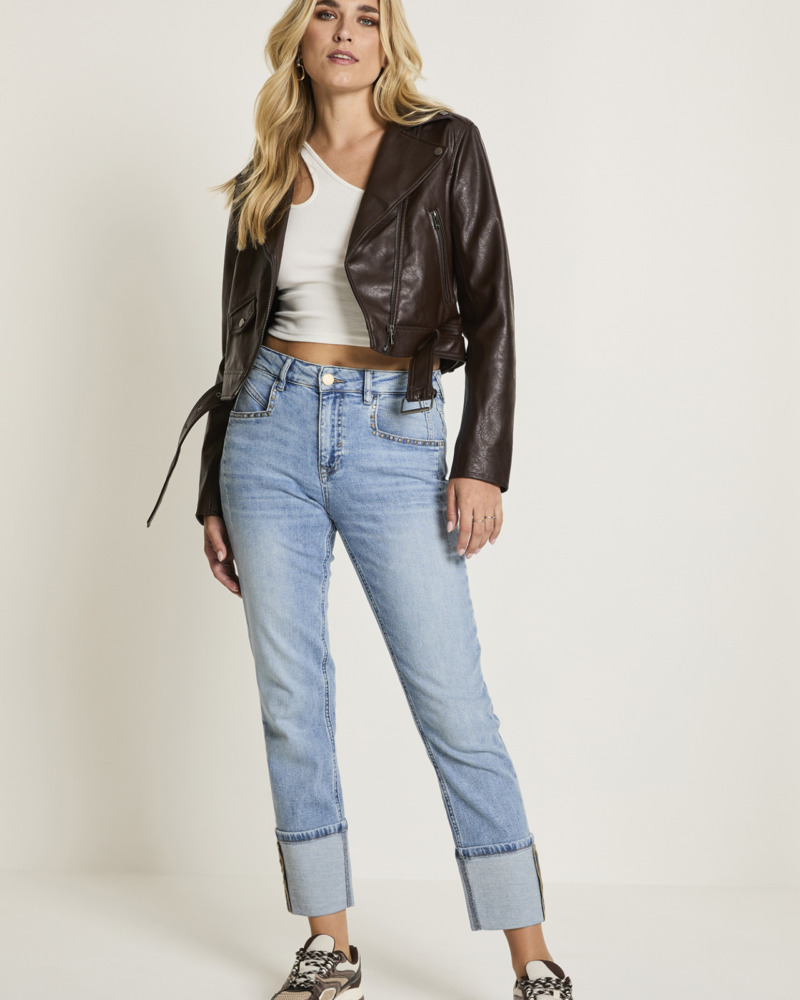
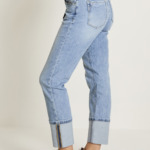
Specialist labels like Para Mi use “powerstretch” fabrics and strategic supportive stitching in their denim. This ensures that the jeans won’t “bag out” at the knees or waist, but will instead retain their original shape even after a full day of wear. This meticulous approach to tailoring is what distinguishes masterfully crafted staples from mass-produced alternatives.
Investing in quality is a conscious choice to buy less, but buy better. By inspecting fabric density, seam integrity, and the quality of the hardware before you purchase, you ensure that your wardrobe remains an asset for years to come. To keep your high-quality finds in peak condition, be sure to review these wool care tips to extend the life of your favorite knits and jackets.