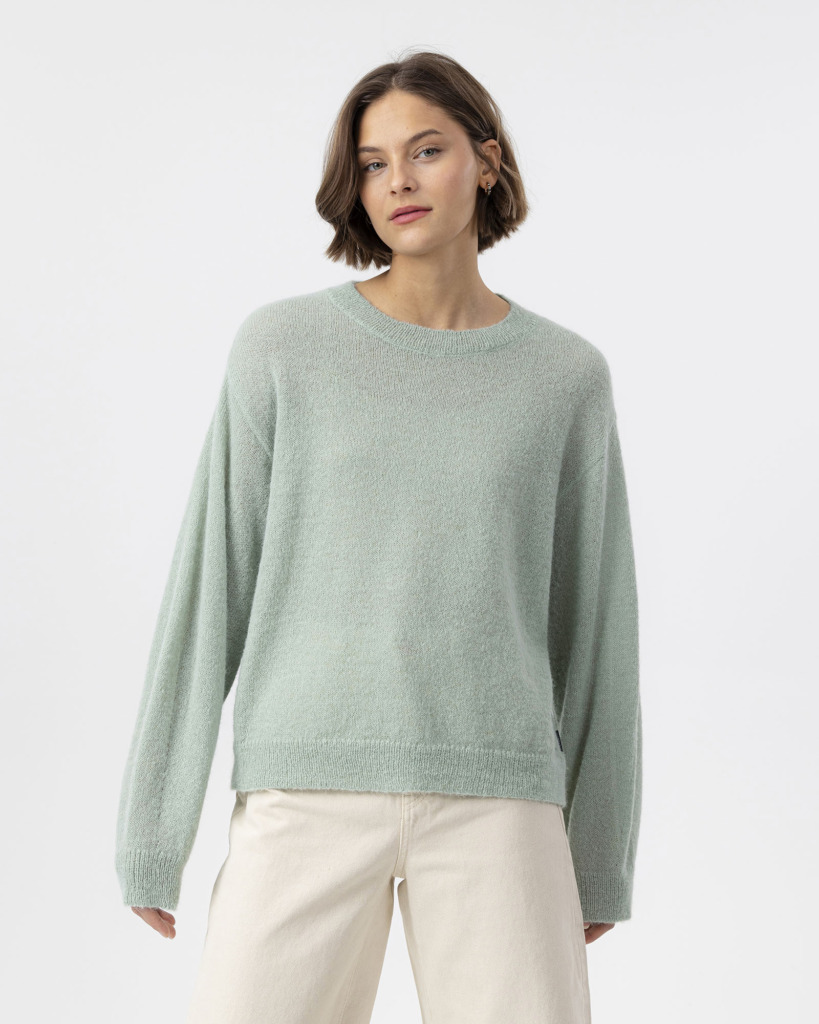
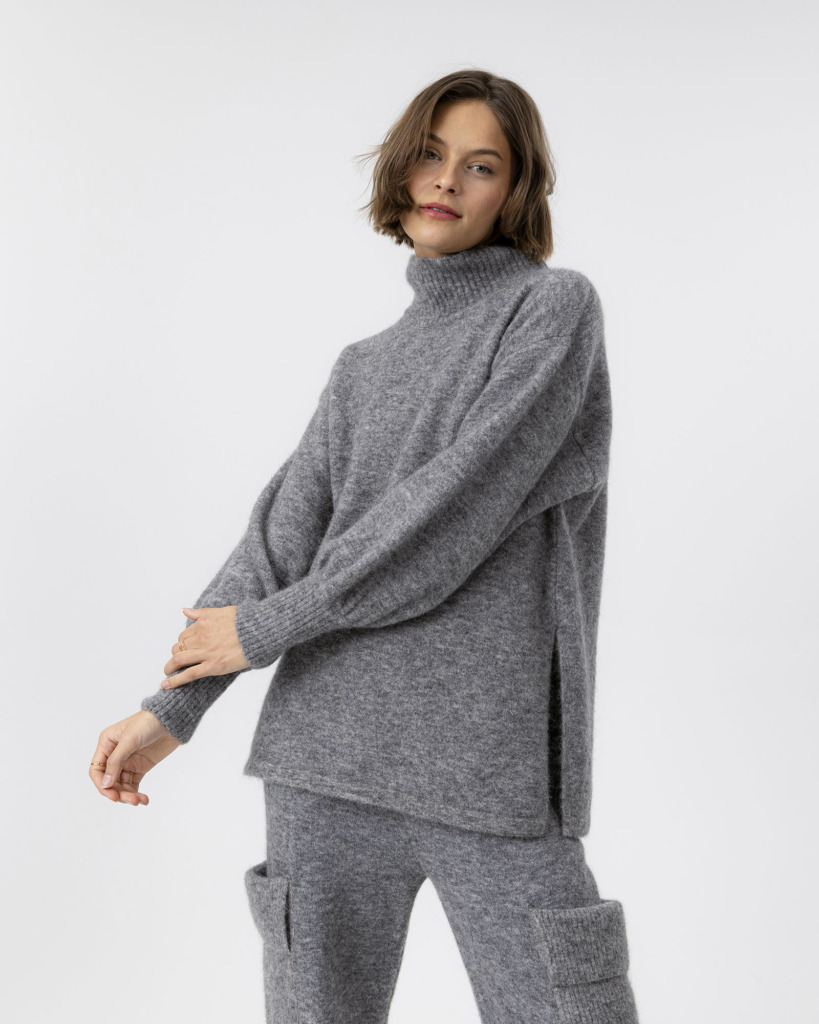
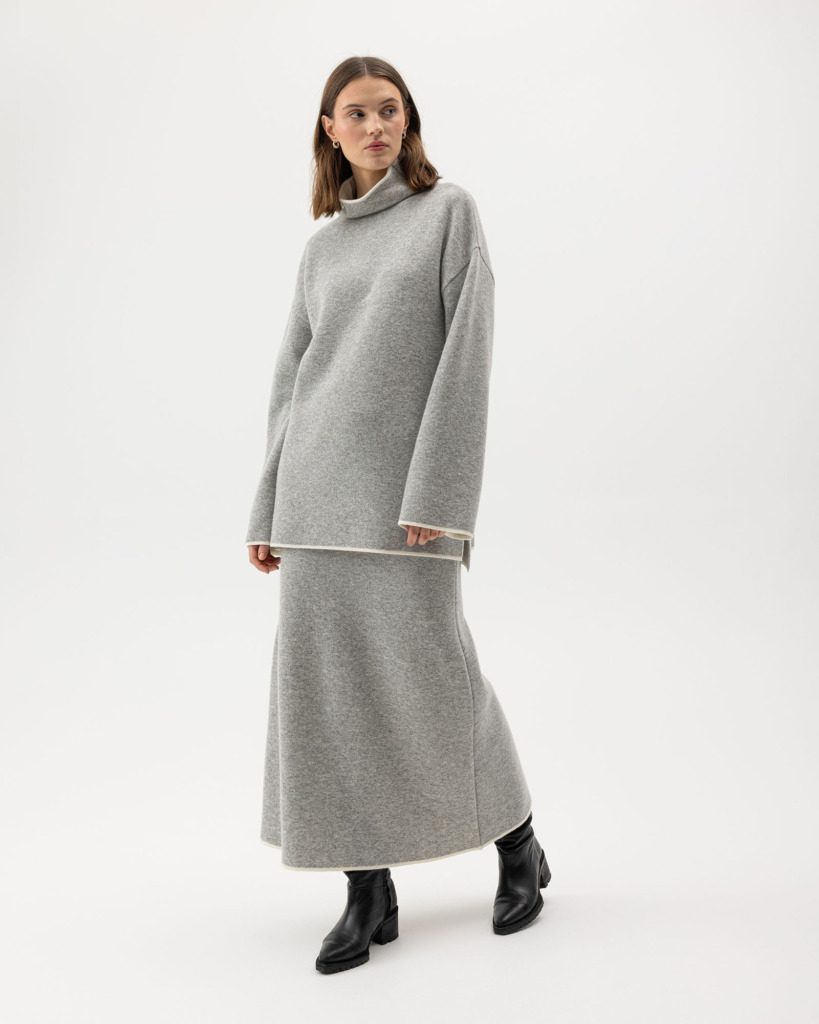
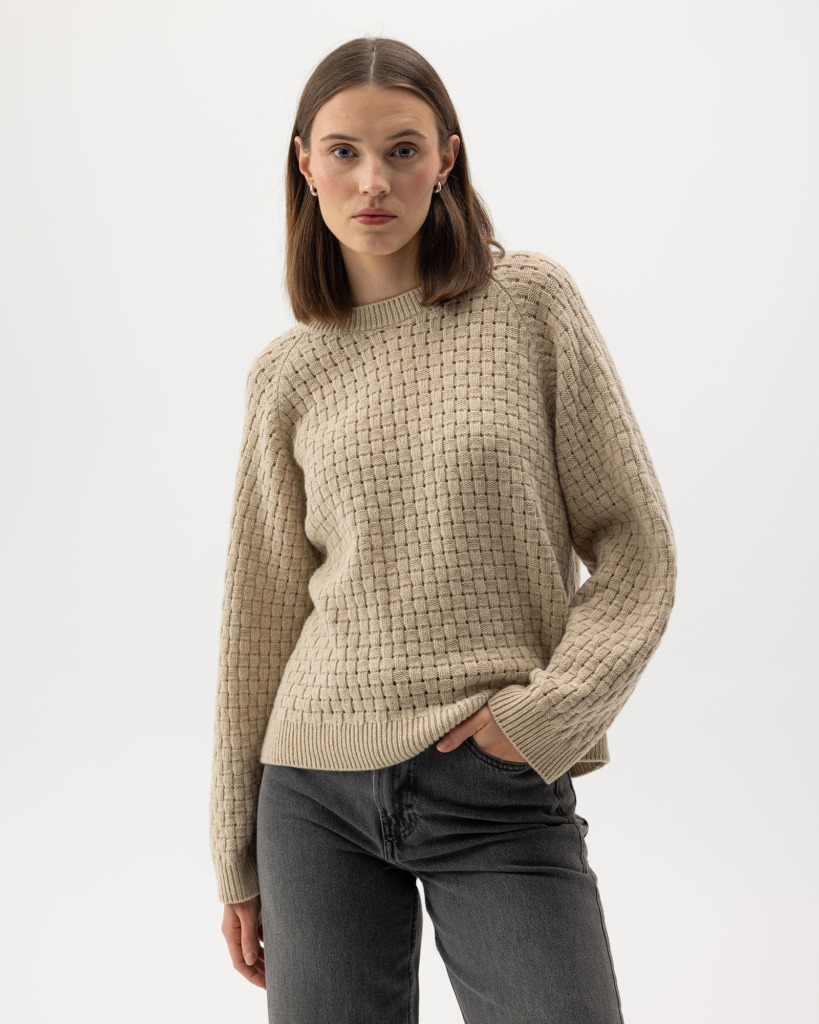
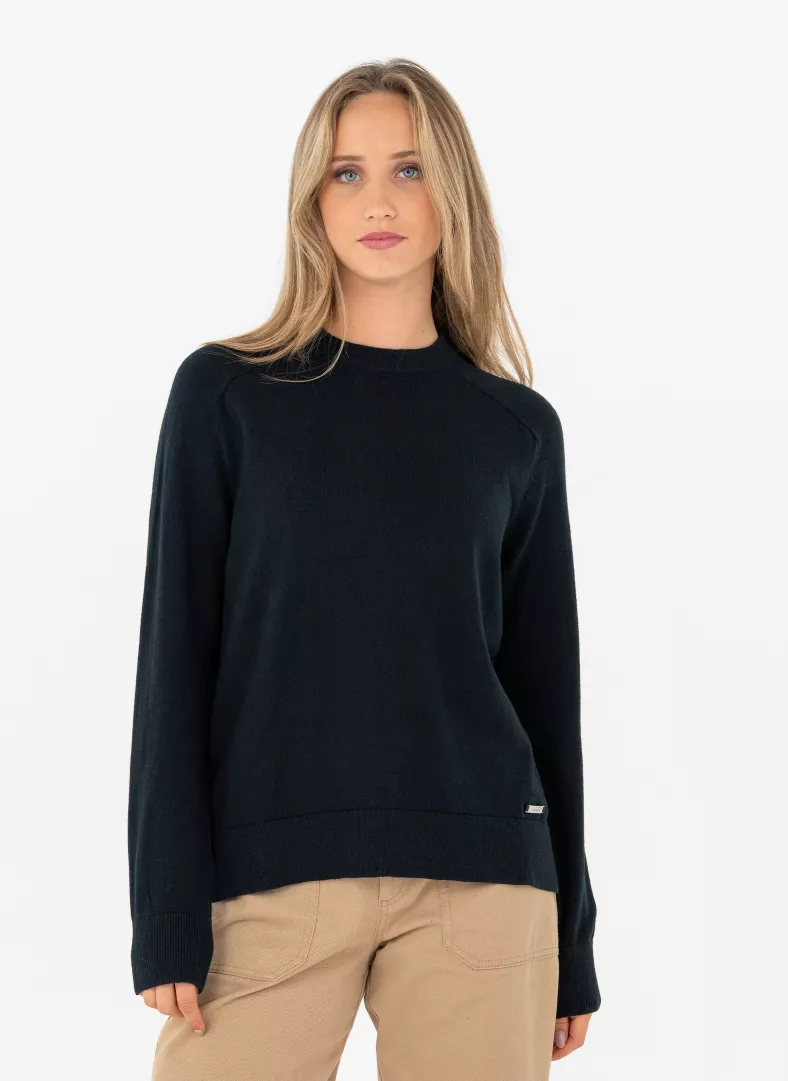
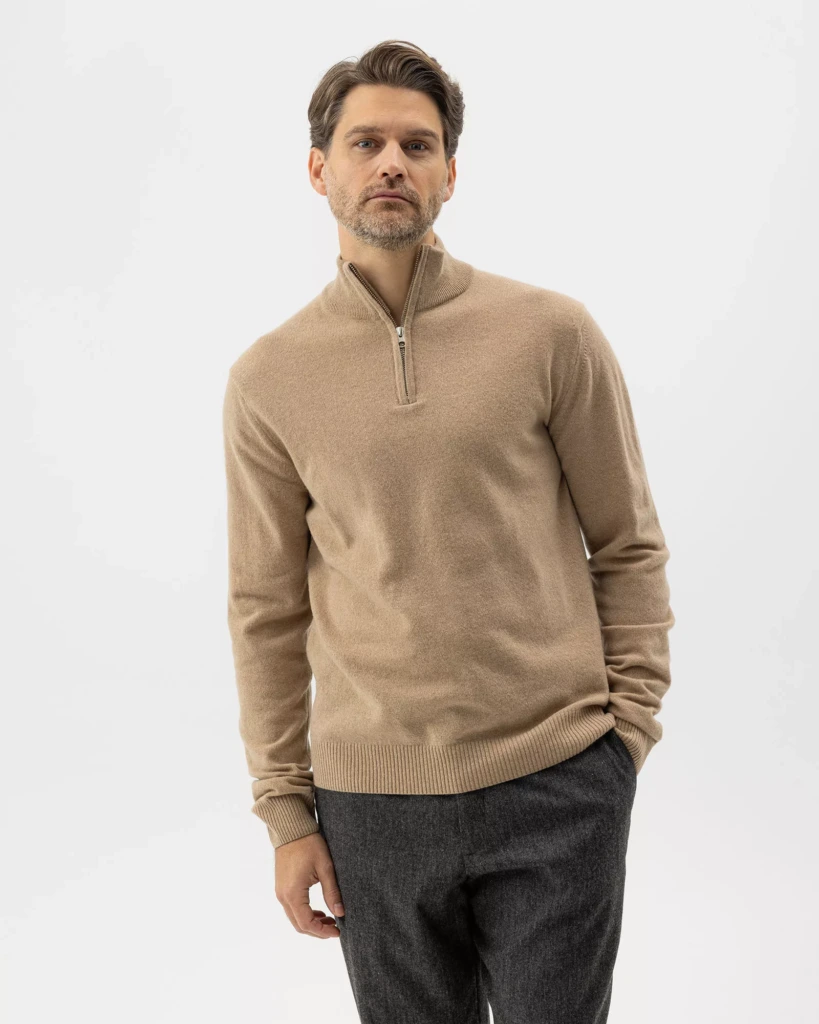
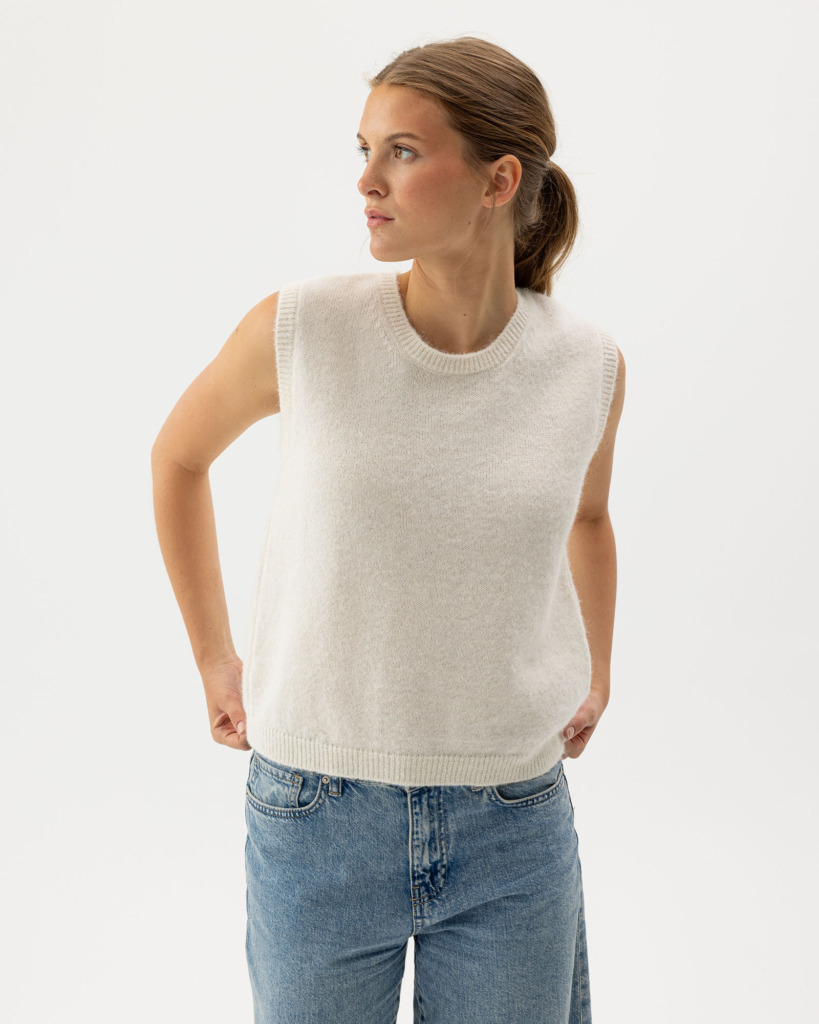
Choosing between the cloud-like softness of cashmere and the exceptional thermal efficiency of alpaca can be a challenge. While both materials represent the pinnacle of luxury textiles, their unique physical properties determine which is better suited to your wardrobe and lifestyle.
Alpaca wool is celebrated for its extraordinary insulating properties, which stem from the fiber’s unique internal structure. Unlike most sheep’s wool, alpaca fibers feature a partially hollow core, a characteristic known as medullation. These microscopic air pockets act as natural thermal barriers, trapping body heat far more effectively than solid fibers without adding unnecessary bulk.
While cashmere provides incredible warmth for its weight, alpaca is widely considered the superior insulator. Because of its semi-hollow structure, alpaca offers a higher weight-to-warmth ratio, making it an ideal choice for harsh winter climates where keeping warm is a priority. For a deeper dive into technical fabrics and insulation, explore our marine clothing materials guide.
Cashmere has long been the gold standard for softness, and for good reason. Its fibers are exceptionally fine, typically measuring between 12 and 19 microns (the lower the micron count, the softer the feel). In comparison, high-quality “Baby Alpaca” generally ranges from 18 to 22 microns, offering a silky, luxurious hand-feel that rivals even the finest cashmere.
However, alpaca has a distinct advantage for those with sensitive skin. Unlike sheep’s wool, alpaca contains no lanolin—the natural oil that often causes irritation. Furthermore, alpaca fibers have smoother scales than other wool types, resulting in a naturally hypoallergenic material that feels gentle against the skin. To help you decide which fiber is right for your needs, see our guide to choosing wool knitwear.
The price difference between these two luxury materials is largely a matter of yield and labor. A single cashmere goat produces only about 100 to 500 grams of usable fiber per year. In contrast, one alpaca can yield between 2 and 7 kilograms of wool, with roughly 3 kilograms meeting premium quality standards. This means it can take the annual output of several goats to produce just one cashmere sweater.
The processing of cashmere is also notoriously labor-intensive, requiring fibers to be meticulously hand-combed and sorted to separate the soft undercoat from the coarse outer guard hairs. Alpaca processing is more straightforward, which often makes it a more accessible luxury option without compromising on quality or durability. Our collection features a curated selection of women’s knitwear and men’s knitwear that balances these premium fibers for the perfect blend of performance and value.
Investing in high-end knitwear is a commitment to longevity. Alpaca is prized for its resilience and natural resistance to pilling. Thanks to its long, smooth fibers, alpaca garments tend to hold their shape and maintain a “like-new” appearance even after years of regular wear.
Cashmere, while peerless in its softness, is more delicate and requires careful maintenance to prevent pilling and stretching. To combat this, many modern designers blend cashmere with merino wool to enhance its structural integrity. Regardless of which material you choose, following proper wool garment care techniques is essential to preserving the natural elasticity and luster of the fibers for decades to come.
Ultimately, the choice depends on your priorities. Alpaca offers superior warmth, durability, and a hypoallergenic profile, making it a functional powerhouse for cold weather. Cashmere remains the ultimate symbol of lightweight luxury and a soft, airy feel that is difficult to replicate. Explore our full collection to find the perfect piece for your seasonal wardrobe.