Have you ever noticed that your expensive, once fully waterproof jacket feels damp inside or heavy after just a few seasons? Often, the issue isn’t the quality of the jacket or an aging membrane, but rather salt crystals lodged in the fabric’s pores and improper care. Marine clothing is an investment – a high-quality storm jacket or technical shell will serve you faithfully for years, but only if you care for it properly and consistently.
In this guide, we’ll look in detail at how to clean and maintain your gear at home, which mistakes to avoid at all costs, and when it’s worth turning to a professional.

Seawater is an aggressive environment for clothes, primarily due to salt. Salt crystals are hydrophilic, meaning they absorb moisture. When salt dries into the fabric fibers or the pores of a technical membrane, it keeps the garment constantly damp and prevents it from breathing. The result is a situation where you feel sweaty and cold even inside a perfectly intact waterproof jacket because body moisture cannot escape.
Additionally, modern sailing clothing – whether men’s sailing clothing or women’s sailing clothing – is mostly coated with a DWR (Durable Water Repellent) layer. This is an invisible finish that makes water “bead up” and roll off the fabric. Dirt, body oils, sunscreen, and general abrasion break down this layer over time.
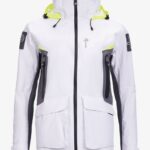
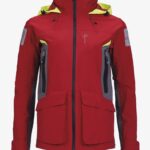
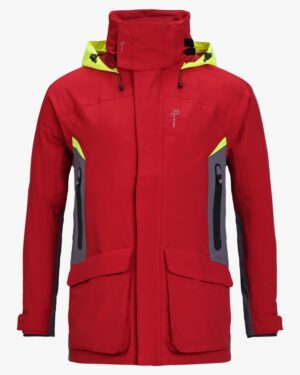
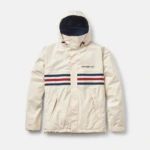
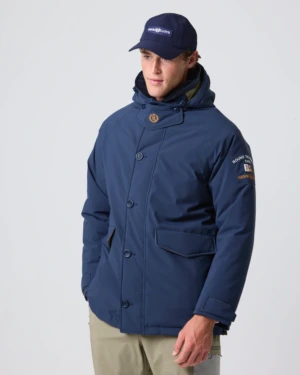
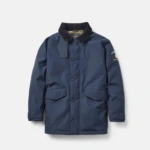
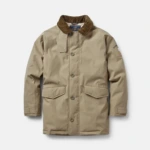
The high-quality shell jackets and raincoats below require regular cleaning and renewal of the DWR layer to maintain their peak performance and keep you dry in even the harshest storms.
Many sailors are afraid to wash their technical clothing, mistakenly believing that the washing machine will ruin the waterproofing. In reality, dirt and salt are far more damaging to the membrane than proper washing. Experts recommend washing gear every 10–12 days of use for intensive activity, less frequently for casual hobbies, but definitely at the end of the season.
Before putting the garment in the washing machine, rinse it with fresh water if possible, especially if you’ve just come from the sea. This helps remove the bulk of the salt and sand that could damage the machine or the fabric. Carefully close all zippers and Velcro straps. Loose Velcro can rub against the technical fabric during washing and cause irreversible damage (“fuzzy” spots). Also, loosen all drawstrings on the hood and hem.
This is the most critical part of the process: do not use regular laundry detergent or fabric softener. Standard household chemicals leave residues on the fabric that attract water and ruin the fabric’s water repellency. Always use a specialized technical detergent (e.g., Nikwax Tech Wash or Grangers Performance Wash) designed for waterproof membranes.
Wash clothes in the machine at 30°C or 40°C, always checking the care instructions on the label. Choose a gentle cycle (e.g., synthetics or sportswear). Rinse thoroughly – some experienced maintainers even recommend a double rinse cycle to be absolutely sure all detergent residues are removed.
If you notice water no longer beads on the jacket’s surface but absorbs into the fabric, making it dark, it’s time to renew the DWR layer. This can be done in two main ways. The first option is a wash-in product, where you add the impregnating agent to the washing machine during a separate cycle. This is convenient but covers the entire garment, including the inner lining.
The second, and often preferred option for lined jackets, is a spray-on product. Spray the agent evenly onto the damp, clean jacket, paying special attention to the shoulders and hood. This method ensures the waterproof layer forms only on the outer surface and does not reduce the lining’s breathability.
Heat is often needed to activate the DWR layer. If the care label allows, place the item in the dryer on a low temperature for about 20 minutes. The heat helps align the molecules and restores water repellency. If a dryer cannot be used, let the garment air dry and later use an iron on low heat, making sure to place a towel between the jacket and the iron to avoid melting the fabric.
Investing in timeless classics, like Henri-Lloyd jackets, ensures that such care guarantees their longevity and presentable appearance for many years.
Even experienced sea dogs can unknowingly damage their gear. The biggest enemy is fabric softener. It is the death of technical clothing, as it clogs the microscopic pores of the membrane and irreversibly destroys waterproofing and breathability.
Another danger is water that is too hot or ironing at high temperatures. High heat can melt the seam tapes that keep the jacket waterproof. A third common mistake is leaving wet and salty clothes sitting in a bag. In a damp and salty environment, mold develops quickly, and the fabric begins to degrade due to hydrolysis.
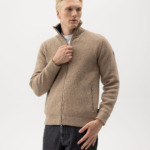
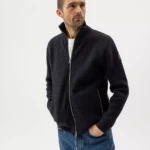
Seafaring isn’t just about shell jackets. Sailors often love wearing warm sweaters with windproof lining at sea and in the harbor. Our popular Windproof collections for men and women require a different approach than rain jackets.
Since wool is naturally self-cleaning and antibacterial, simply airing the item in fresh air is often enough. If washing is unavoidable, be sure to use the wool cycle and a special wool detergent containing lanolin. Never use the spin cycle at full power, and always dry woolen items laid flat, not hanging – this way, the sweater retains its shape.
Here are some of our customers’ favorites that need just this kind of care and offer warmth in the windiest weather.
Although home care is usually sufficient, there are situations where it pays to trust specialists. If you notice that the internal seam tapes are peeling off or there is a hole in the waterproof layer, home remedies may no longer help. Also, heavy stains like oil or rust may require professional chemical cleaning that knows how to treat technical fabrics correctly.
Well-known brands like Henri-Lloyd and Pelle Petterson create products to last, but professional repair can give an old favorite a new life, saving both nature and your wallet.
Marine gear maintenance isn’t rocket science, but a natural part of a sailor’s routine. Wash out the salt, use the right products, and regularly restore water repellency – this way, you’ll stay warm and dry at sea. Check your gear and evaluate if it’s ready for the next season. If you discover that an old jacket has served its time, you’ll find a wide selection of high-quality men’s outerwear and women’s outerwear in our e-shop, designed to withstand the changing conditions of the Baltic Sea.