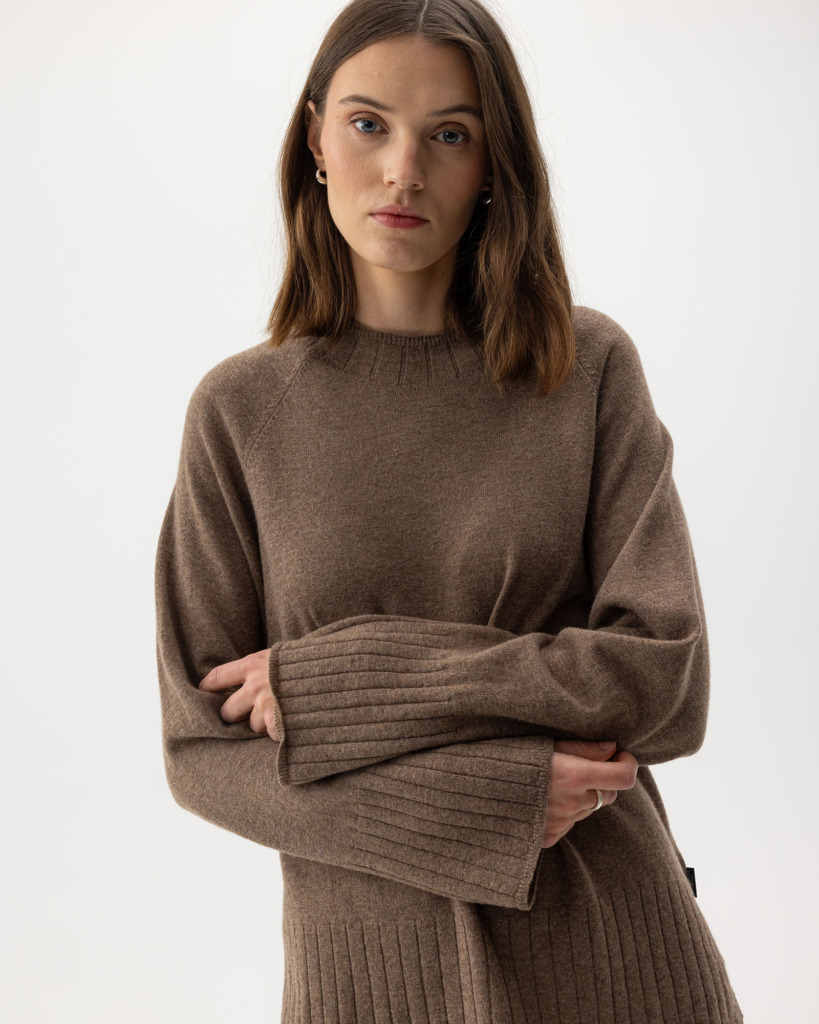
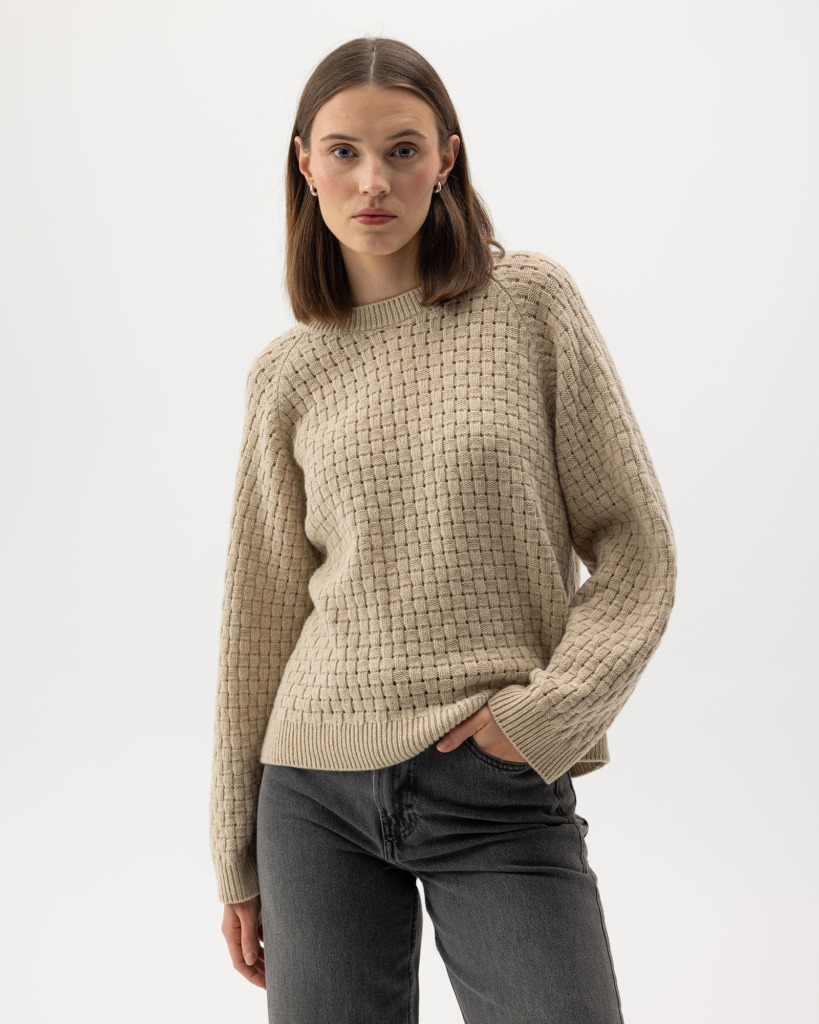
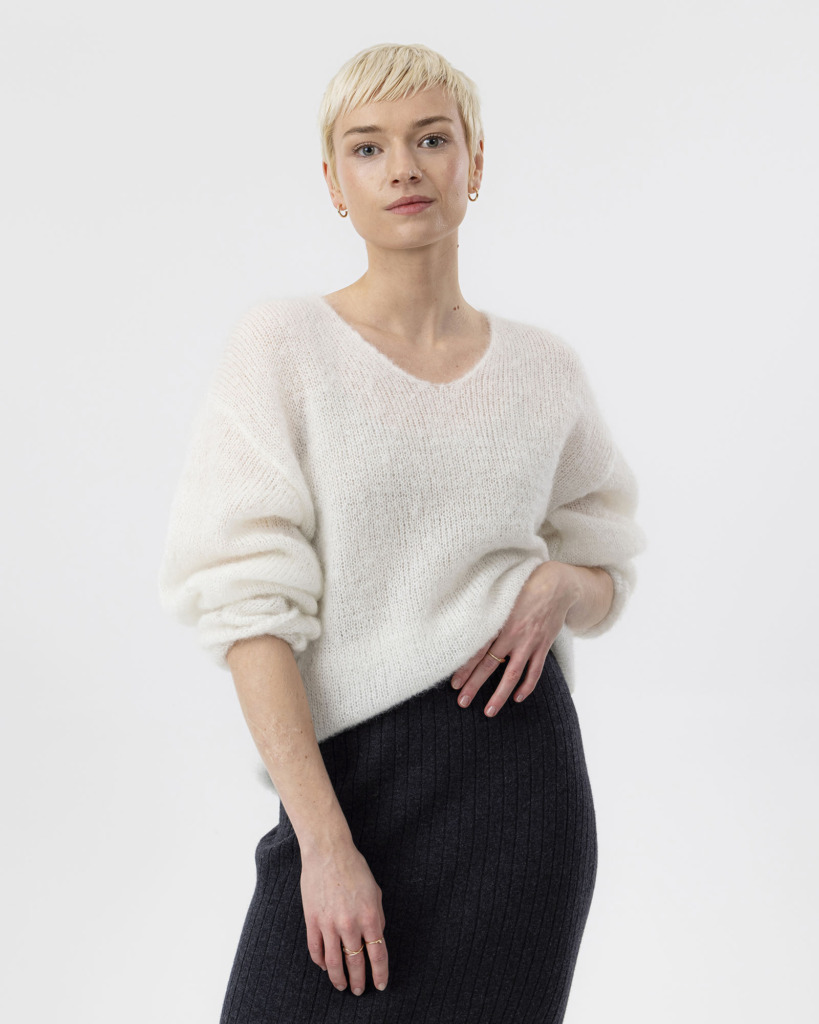
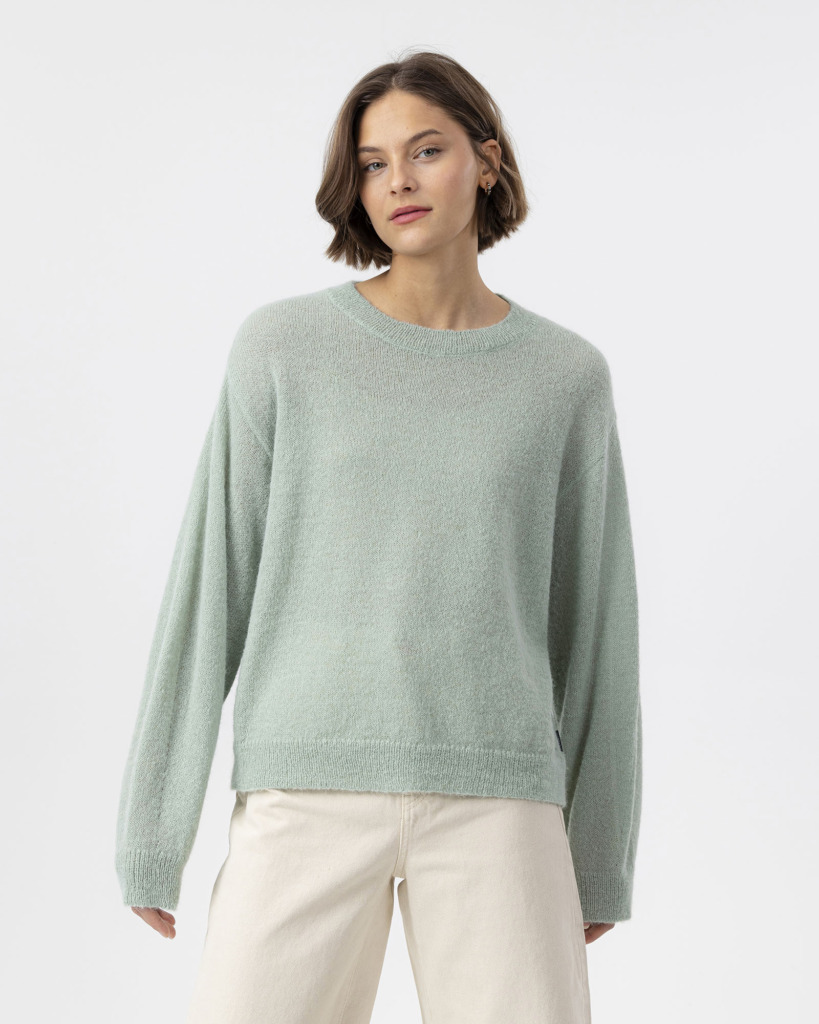
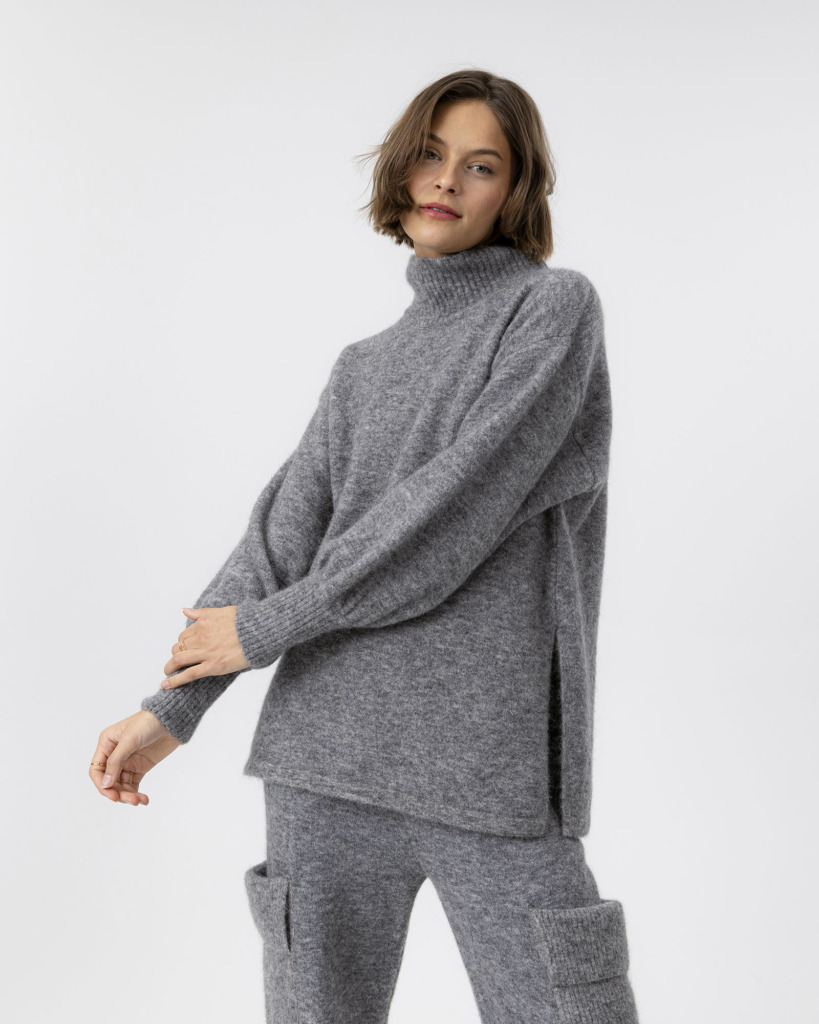
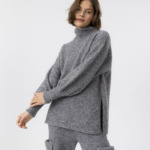
Few things are more frustrating than accidentally shrinking a favorite sweater in the wash. While high-quality wool is a durable, long-term investment, it needs proper care to stay in top condition. This practical guide covers everything you need to know—from washing and drying to seasonal storage and depilling—so your knitwear and outerwear remain looking brand-new for years to come.
Wool is a remarkable natural fiber. Rich in natural lanolin and structured with a unique crimp, it naturally repels dirt and resists odors. Unlike synthetic fabrics, wool garments don’t need to be laundered after every wear. Often, simply hanging them out in fresh air is enough to restore their shape, natural elasticity, and freshness.
Different types of wool call for tailored care routines. Merino wool features exceptionally fine fibers (11.5–24 microns), making it breathable, soft, and gentle against sensitive skin. Mohair and alpaca offer exceptional warmth, but their plush, lofty textures demand even gentler handling. To learn more about these materials, read our guide comparing merino, mohair, and alpaca wool. When caring for premium labels like Holebrook clothing, thoughtful maintenance ensures your pieces will endure season after season.
Always check the care label before cleaning any garment. If machine washing is permitted, select a dedicated wool cycle using lukewarm water (30–40°C). Sudden temperature swings and harsh mechanical agitation inside the drum are the primary culprits behind shrinking and felting.
Many women’s merino wool knitwear pieces and classic men’s merino wool sweaters can safely handle a gentle machine wool cycle. On the other hand, luxury yarns—such as women’s alpaca wool clothing and delicate women’s mohair knitwear—are best washed by hand.
Follow these rules to wash your wool garments safely:
When wet, wool becomes heavy, making its fibers vulnerable to stretching out of shape. Never hang wet knitwear on a clothesline or standard hanger, as this distorts the shoulder seams and ruins the garment’s fit.
Items from our women’s knitwear and men’s knitwear collections should always be dried flat. After washing, roll the sweater inside a clean, dry towel and gently press out excess water. Then, lay it flat on a fresh towel and carefully reshape it by hand. Allow it to air-dry at room temperature, away from direct sunlight and radiators.
Structured woven or heavy knitted outerwear, such as warm women’s outerwear and tailored men’s outerwear, can be dried on wide, padded coat hangers. Tumble drying, however, should be strictly avoided for all wool items.
Give your wool garments at least 24 hours of rest between wears. This allows the resilient fibers to recover naturally and releases any lingering creases.
When storing wool pieces at the end of the season, keep these tips in mind:
Over time, small clusters of fibers—known as pills—can form on the surface of wool fabrics. Pilling occurs when loose fibers tangle due to friction, typically under the arms, along the sides, or where bag straps rub against the fabric. This is a natural characteristic of wool rather than a sign of poor quality—even the finest yarns will pill with friction.
To safely remove pills without damaging your garment:
If a spill occurs, spot-clean immediately using lukewarm water and a drop of gentle wool detergent. Dab the area from the outside in to prevent the stain from spreading.
Steaming is an excellent way to smooth out wrinkles and release faint odors. Alternatively, hang your sweater in the bathroom while taking a hot shower—the warm humidity naturally relaxes the fibers without scorching them. For lined coats and tailored outerwear, professional dry cleaning is recommended prior to long-term storage. For additional washing tips, explore our comprehensive guide on garment washing and care.
When properly cared for, a high-quality wool garment remains a reliable, stylish staple season after season. Explore our collection to find lasting additions to your wardrobe.