Have you ever been out at sea and felt a damp chill creep under your skin while a biting wind strips away your remaining body heat? On the open water, proper clothing is just as critical as your navigation equipment. The three-layer system is the most reliable way to ensure you enjoy your voyage, regardless of the conditions.
In sailing, a single thick sweater is rarely enough because changing weather demands flexibility. Instead, sailors utilize several thin layers to create a personal microclimate. This system regulates body temperature by wicking moisture away from the skin and protecting you from wind and spray. Before heading out, it is essential to understand the properties of various maritime materials to avoid both overheating and the dangerous onset of hypothermia.
The primary task of the base layer is to move sweat and moisture away from the skin and into the subsequent layers. If your skin remains wet, your body cools down up to 25 times faster—a direct safety risk in a maritime environment. Because of this, there is one golden rule in sailing: avoid cotton. Cotton absorbs moisture, becomes heavy, and stays cold, significantly increasing the risk of chills.
The best choices for a base layer are synthetic materials or high-quality merino wool. Synthetics dry exceptionally fast and maintain their shape even during high-intensity activity. Merino wool, however, is often the preferred choice for offshore sailors; it can absorb up to 30% of its dry weight in moisture without feeling damp against the skin. Additionally, merino is naturally antibacterial and retains warmth even when wet. Whether you are coastal cruising in summer or sailing in biting autumn conditions, a functional base layer is your first step toward a successful trip.
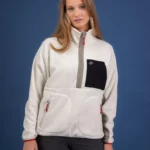
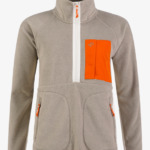
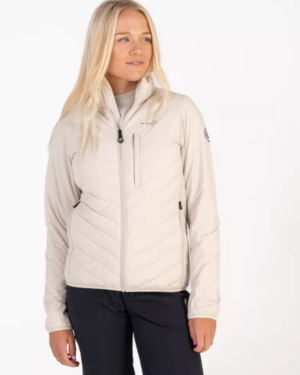
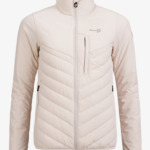
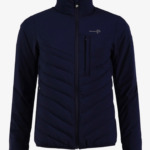
The mid-layer’s job is to trap body heat by creating an insulating pocket of air between your skin and the environment. The goal is to retain warmth while allowing moisture from the base layer to continue moving toward the outer shell. If you are active—handling lines or moving around the deck—your mid-layer should be loose enough to allow free movement and air circulation.
Common choices for mid-layers include fleece and wool knits. Fleece is a sailor favorite because it is lightweight, breathable, and maintains its insulating properties even in damp conditions. For those who prefer a classic style, wool sweaters or specialized knits with windproof linings are ideal, offering protection against cool winds even without a jacket. You can find a more detailed overview of different fibers in our comparison of wool fibers and materials. It is important to remember that technical fleeces designed for sailing are optimized for moisture transfer, whereas casual knitwear is better suited for a calm evening at the marina.
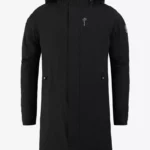
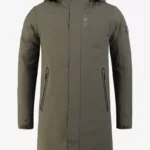
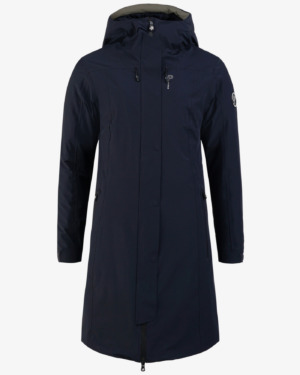
The outer layer, often referred to as “foul weather gear,” is your primary defense against wind, rain, and breaking waves. This layer must be completely windproof and waterproof, yet breathable enough to allow internal moisture vapor to escape. High-quality women’s sailing gear and men’s sailing gear utilize specialized membranes, taped seams, and waterproof zippers to ensure total protection in stormy conditions.
Your choice should depend on the type of sailing you do:
Technical outer layers require proper care to maintain their longevity, especially in salty maritime environments. Read more in our maritime clothing maintenance guide on how to wash your gear and restore its water-repellent finish.
While many focus on the upper body, experienced sailors know that keeping your extremities warm affects your overall well-being more than extra layers on your torso. Since heat is lost quickly through the legs and feet, investing in quality technical trousers is essential. You can find suitable options in our women’s pants collection and men’s pants collection.
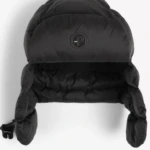
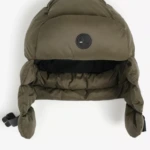
In addition to trousers, hats and gloves are critical. A significant amount of body heat escapes through the head, so a warm wool beanie can save the day when the temperature drops. In the summer, a cap with UV protection is essential to protect your eyes and scalp from intense sun exposure. For a comprehensive list of everything you need for a voyage, see our sailing trip clothing guide.
Layering is a dynamic process that requires constant adjustment. Always start with a solid base and add or remove layers according to your physical activity and the changing weather. If you are looking to upgrade your gear with professional and durable products, explore our full range of sailing clothing. Sign up for our newsletter to receive 10% off your first purchase and stay updated on the best offers for your maritime adventures.